harvestandleaf.com

Author name: Amelia

Baby Corn
vegetable

Baby Corn: Health Benefits, Nutritional Value

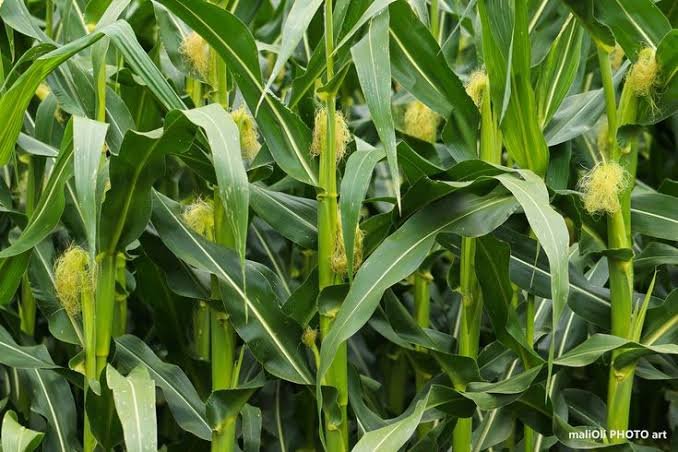
Baby corn is a popular vegetable known for its crunchy texture, mild sweetness and versatility in cooking. It is widely used in Asian, Indian and international cuisines and is a favourite ingredient in stir-fries, salads, soups and appetisers. Whether you are preparing a quick homemade meal or creating dishes for a professional kitchen, fresh baby corn adds colour, texture and flavour to your recipes. At Harvest & Leaf, we believe quality fresh vegetables are an essential part of delicious and nutritious meals. What Is Baby Corn? Baby corn is the young, immature ear of a maize plant (Zea mays), harvested shortly after the silk appears and before the kernels fully develop. Unlike mature sweet corn, baby corn is small, tender and eaten whole, including its cob. It has a mild flavour and crisp texture, making it a popular ingredient in a wide variety of dishes. Nutritional Value of Baby Corn Baby corn is a naturally low-calorie vegetable that provides dietary fibre and several essential nutrients. Its nutritional components include: Its nutritional profile makes baby corn a useful addition to a balanced and varied diet. Top Health Benefits of Baby Corn 1. Supports Healthy Digestion Baby corn contains dietary fibre, which helps support regular bowel movements and normal digestive function. Including fibre-rich vegetables in everyday meals can contribute to digestive health. 2. Aids a Balanced Diet Baby corn is relatively low in calories and can be included in balanced meals. Its crunchy texture makes it a satisfying addition to vegetable dishes. 3. Provides Essential Nutrients Baby corn contains vitamins and minerals that contribute to different body functions, including normal immune function and energy metabolism. 4. Contains Natural Antioxidants Like other vegetables, baby corn contains natural plant compounds that contribute to a varied, antioxidant-rich diet. 5. Adds Variety to Everyday Meals Its mild flavour makes baby corn easy to combine with different vegetables, herbs, spices and sauces. How to Choose and Store Fresh Baby Corn Choosing good-quality baby corn helps maintain its natural taste, texture and freshness. Here are some useful tips: Proper handling and storage help maintain the quality of baby corn. Why Fresh Baby Corn Is Popular in the Food Industry Baby corn is widely used by restaurants, hotels, catering companies, food manufacturers and retailers. Its attractive appearance, crunchy texture and versatility make it a valuable ingredient for professional kitchens. Fresh baby corn is particularly suitable for: At Harvest & Leaf, our focus is on quality fresh produce for customers who value freshness, consistency and flavour. Conclusion Baby corn is more than just a colourful vegetable. Its crunchy texture, mild flavour and nutritional properties make it a versatile ingredient for everyday cooking. From stir-fries and salads to crispy appetisers and delicious curries, baby corn offers countless ways to create flavourful meals. Choose quality fresh vegetables from Harvest & Leaf and bring freshness to your kitchen.
Fresh Rosemary
Herbs

Fresh Rosemary: Health Benefits, Nutritional Value

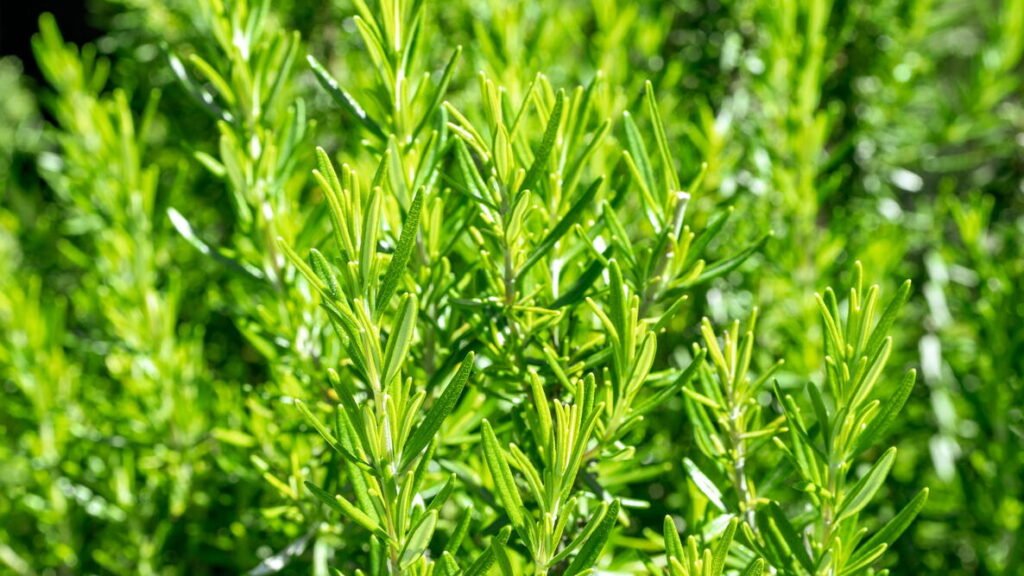
Fresh rosemary is a popular aromatic herb known for its refreshing fragrance, needle-like green leaves and distinctive earthy flavour. It is widely used in Mediterranean, European and international cuisines to enhance the taste and aroma of different dishes. From roasted potatoes and grilled vegetables to soups, sauces and meat preparations, fresh rosemary is a versatile ingredient loved by professional chefs and home cooks. At Harvest & Leaf, we believe quality fresh herbs play an important role in creating delicious meals and improving the overall food experience. What Is Fresh Rosemary? Rosemary, scientifically known as Salvia rosmarinus, is an evergreen aromatic herb belonging to the mint family (Lamiaceae). It features narrow, needle-shaped leaves with a strong herbal aroma and a slightly woody, pine-like flavour. Fresh rosemary is commonly used in Mediterranean cooking and pairs particularly well with potatoes, chicken, lamb, fish, vegetables and sauces. Nutritional Value of Fresh Rosemary Fresh rosemary contains several essential nutrients and natural plant compounds. Some of its nutritional components include: Rosemary also contains plant compounds such as rosmarinic acid and carnosic acid, which contribute to its antioxidant properties. Top Health Benefits of Fresh Rosemary 1. Rich in Antioxidants Rosemary contains natural antioxidant compounds that help protect cells against oxidative stress. These compounds make rosemary a valuable addition to a varied and balanced diet. 2. Supports Digestive Health Rosemary has traditionally been used in cooking and herbal preparations. Its aromatic flavour makes it a popular ingredient in meals and herbal infusions. 3. Contains Essential Nutrients Fresh rosemary provides small amounts of vitamins and minerals that contribute to normal body functions. 4. Supports a Balanced Diet Adding aromatic herbs such as rosemary to everyday meals is a simple way to introduce more plant-based ingredients into your diet. 5. Enhances Food Flavour Naturally Rosemary has a strong, distinctive flavour. Even a small quantity can enhance the taste of food without requiring excessive salt or heavy seasoning. Popular Uses of Fresh Rosemary in Cooking Fresh rosemary is one of the most versatile herbs used in professional and home kitchens. 1. Roasted Potatoes Combine fresh rosemary with potatoes, olive oil, garlic and seasoning to create a delicious roasted side dish. 2. Grilled Chicken and Meat Rosemary pairs beautifully with chicken, lamb and other meat dishes. It can be added to marinades with garlic, lemon and olive oil. 3. Vegetable Dishes Add rosemary to roasted carrots, mushrooms, zucchini and other vegetables for a rich herbal aroma. 4. Soups and Sauces Fresh rosemary can enhance the flavour of vegetable soups, tomato sauces and slow-cooked recipes. 5. Seafood Recipes Use a small amount of rosemary with lemon and olive oil when preparing grilled fish and seafood. 6. Herbal Infusions Fresh rosemary can be steeped in hot water to prepare an aromatic herbal infusion. How to Choose and Store Fresh Rosemary Choosing good-quality rosemary helps maintain its aroma, appearance and freshness. Here are some useful tips: Proper handling and storage help preserve the quality of fresh rosemary. Why Fresh Rosemary Is Popular in the Food Industry Fresh rosemary is widely used by restaurants, hotels, catering companies, food manufacturers and retailers. Its distinctive aroma, attractive appearance and versatile culinary applications make it an important ingredient in professional kitchens. Fresh rosemary is particularly suitable for: At Harvest & Leaf, our focus is on providing quality fresh produce and aromatic herbs for customers who value freshness, consistency and flavour. Conclusion Fresh rosemary is more than just a cooking herb. Its distinctive aroma, natural plant compounds and culinary versatility make it a valuable addition to everyday meals. From roasted vegetables and grilled chicken to soups, sauces and marinades, fresh rosemary brings a unique flavour to different cuisines. Choose quality fresh herbs from Harvest & Leaf and bring freshness and flavour to your kitchen.

Fresh Chives Health Benefits, Nutritional Value
Herbs

Fresh Chives: Health Benefits, Nutritional Value

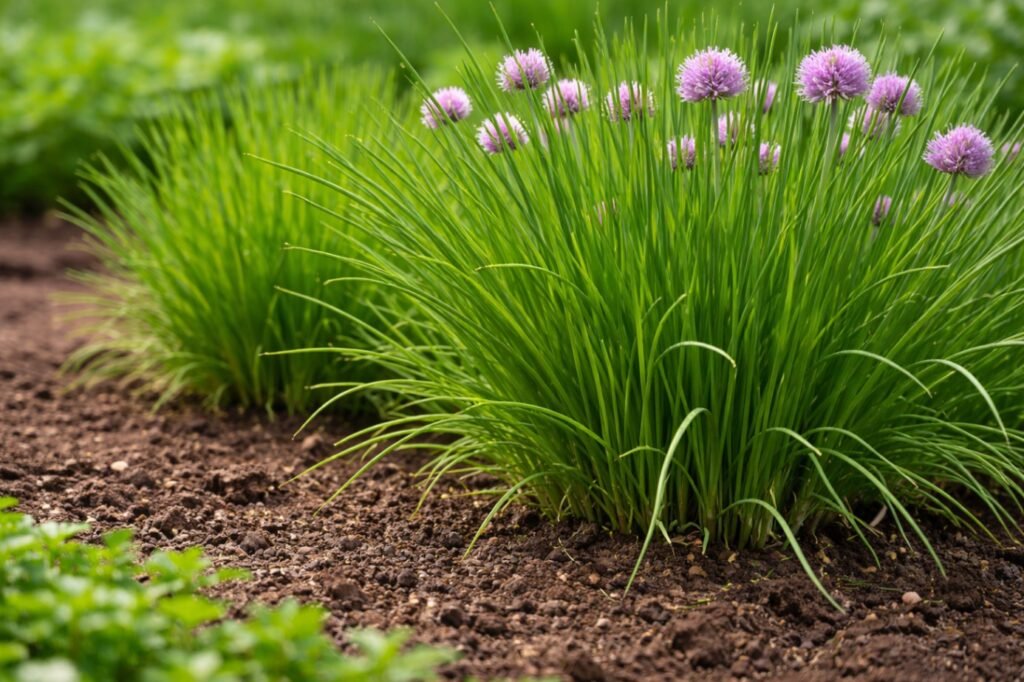
Fresh chives are delicate green herbs known for their mild onion-like flavour, fresh aroma and attractive appearance. They are widely used in international cuisines to enhance the taste and presentation of different dishes. From soups and salads to baked potatoes, sauces and seafood, fresh chives are a versatile ingredient used by professional chefs and home cooks. At Harvest & Leaf, we understand the importance of quality fresh herbs in creating delicious meals and maintaining excellent food presentation. What Are Fresh Chives? Chives, scientifically known as Allium schoenoprasum, are perennial herbs belonging to the Amaryllidaceae family. They have long, thin, hollow green leaves with a mild onion-like taste. Unlike regular onions, chives offer a delicate flavour that enhances dishes without overpowering other ingredients. Fresh chives are commonly used in European, Asian and modern international cooking. Nutritional Value of Fresh Chives Fresh chives contain several essential nutrients and beneficial plant compounds. Some of their nutritional components include: These nutrients contribute to a balanced diet and support different normal body functions. Top Health Benefits of Fresh Chives 1. Rich in Antioxidants Fresh chives contain natural antioxidant compounds, including flavonoids and other plant-based compounds. These help protect cells against oxidative stress. 2. Supports Immune Health Chives provide vitamin C, which contributes to normal immune system function. Including fresh herbs and vegetables in everyday meals can help support a balanced diet. 3. Supports Bone Health Fresh chives contain vitamin K, which plays an important role in normal blood clotting and bone metabolism. 4. Provides Essential Vitamins Chives contain vitamins A, C and K, which contribute to normal vision, immune function and other important body processes. 5. Adds Flavour to Healthy Meals Chives provide a mild onion-like taste without requiring large amounts of salt or heavy seasoning. They are an excellent way to enhance everyday recipes. Fresh Chives vs Green Onions: What’s the Difference? Although they look similar, chives and green onions are different ingredients. Fresh Chives Green Onions Thin, hollow leaves Thicker green stalks Mild onion flavour Stronger onion flavour Delicate texture Crunchier texture Mainly used as a herb Used as a vegetable and garnish Commonly used for garnishing Used in stir-fries and curries Fresh chives are especially useful when a recipe requires a subtle onion flavour and attractive green garnish. How to Choose and Store Fresh Chives Selecting good-quality fresh chives helps maintain their aroma, texture and appearance. Here are some useful tips: Proper storage and careful handling help maintain the quality of fresh chives. Why Fresh Chives Are Popular in the Food Industry Fresh chives are widely used by restaurants, hotels, catering companies, food manufacturers and retailers. Their delicate flavour, attractive green appearance and culinary versatility make them an important ingredient in professional kitchens. Fresh chives are particularly suitable for: At Harvest & Leaf, our focus is on providing quality fresh produce and aromatic herbs for customers who value freshness and consistency.

Fresh Dill
Herbs

Fresh Dill: Health Benefits, Nutritional Value

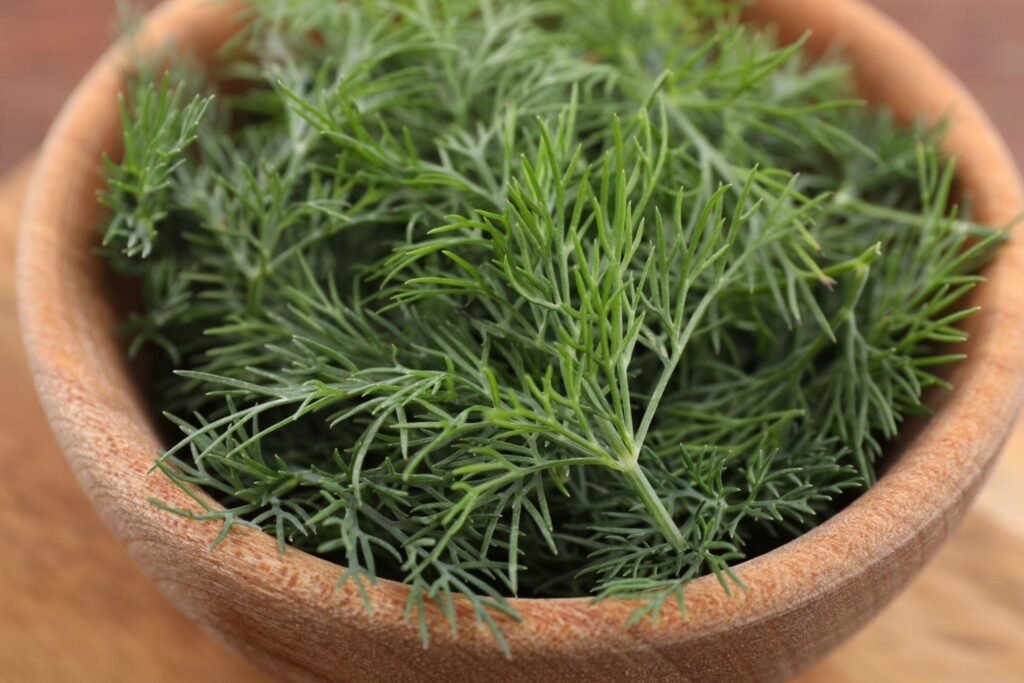
Fresh dill is a delicate, aromatic herb known for its refreshing fragrance, feathery green leaves and distinctive flavour. It is widely used in European, Mediterranean, Middle Eastern and Indian cuisines. With its mild, slightly sweet and tangy taste, dill adds freshness to salads, soups, seafood, sauces and vegetable dishes. It is also valued for its natural plant compounds and nutritional properties. At Harvest & Leaf, we understand the importance of quality fresh herbs in creating delicious meals and providing a better food experience. What Is Fresh Dill? Dill, scientifically known as Anethum graveolens, is an aromatic herb belonging to the Apiaceae family. It has thin, delicate green leaves that resemble fennel. Both its fresh leaves and seeds are used in cooking, although they have different flavours. Fresh dill is particularly popular for its delicate aroma and fresh taste. It is commonly used as a seasoning, garnish and ingredient in various international recipes. Nutritional Value of Fresh Dill Fresh dill contains several essential nutrients and natural plant compounds. Its nutritional components include: These nutrients contribute to a balanced diet and support different normal body functions. Top Health Benefits of Fresh Dill 1. Rich in Antioxidants Fresh dill contains natural antioxidant compounds, including flavonoids and other plant-based compounds. These help protect cells against oxidative stress. 2. Supports Digestive Health Dill has traditionally been used in different cuisines and herbal preparations to support digestive comfort. Its refreshing flavour also makes it a popular ingredient in meals. 3. Provides Essential Vitamins Dill contains vitamins A, C and K. These nutrients contribute to normal immune function, vision and blood clotting. 4. Supports Bone Health Fresh dill contains vitamin K and calcium, which play important roles in maintaining normal bone health. 5. Adds Flavour to Healthy Meals Dill provides a distinctive herbal flavour without adding significant calories to food. It is an excellent ingredient for people looking to prepare flavourful and balanced meals. How to Choose and Store Fresh Dill Selecting quality fresh dill is important for maintaining its flavour and freshness. Here are some useful tips: Proper handling and storage help preserve the quality of fresh dill. Why Fresh Dill Is Popular in the Food Industry Fresh dill is widely used by restaurants, hotels, catering companies, food manufacturers and retailers. Its delicate appearance, distinctive aroma and versatile culinary applications make it an important ingredient in professional kitchens. Fresh dill is especially suitable for: At Harvest & Leaf, our focus is on supplying quality fresh produce and herbs for customers who value freshness, consistency and flavour. Conclusion Fresh dill is more than just a decorative herb. Its delicate flavour, nutritional components and versatility make it a valuable ingredient in everyday cooking. From seafood and salads to soups, sauces and vegetable dishes, fresh dill brings a refreshing touch to different cuisines. Choose quality fresh herbs from Harvest & Leaf and add freshness and flavour to your kitchen.

Nutritional Value of Fresh Mint Fresh mint contains several essential nutrients and beneficial plant compounds. Some of its nutritional components include: Vitamin A Vitamin C Vitamin B9 (folate) Iron Calcium Potassium Dietary fibre Natural antioxidant compounds Mint is generally consumed in small quantities, but it adds flavour and variety to a balanced diet. Top Health Benefits of Fresh Mint 1. Supports Digestive Health Mint has traditionally been used in food and herbal preparations to support digestive comfort. Its refreshing flavour also makes it a popular ingredient in after-meal drinks and teas. 2. Contains Natural Antioxidants Fresh mint contains natural plant compounds, including flavonoids and phenolic compounds. These antioxidants help protect cells against oxidative stress. 3. Supports Immune Function Mint provides vitamin C and other plant compounds. Vitamin C contributes to normal immune system function as part of a balanced diet. 4. Promotes Fresh Breath Mint is widely used in oral care products because of its refreshing aroma and cooling sensation. Fresh mint leaves are also commonly used in drinks and mouth-freshening preparations. 5. Adds Flavour to Healthy Meals Fresh mint provides a refreshing flavour without adding significant calories to meals. It can make salads, beverages and vegetable dishes more enjoyable. Popular Uses of Fresh Mint in Cooking Fresh mint is one of the most versatile herbs used in kitchens worldwide. 1. Refreshing Mint Drinks Mint leaves are commonly added to lemonade, mojitos, fruit drinks and refreshing summer beverages. 2. Mint Chutney In Indian cuisine, fresh mint is an essential ingredient in green chutney. It is commonly blended with coriander, green chillies, lemon juice and spices. 3. Fresh Salads Chopped mint leaves can be added to cucumber salads, fruit salads and Mediterranean salads to enhance freshness and flavour. 4. Mint Tea Fresh mint leaves can be steeped in hot water to prepare a refreshing herbal infusion. 5. Curries and Rice Dishes Mint is widely used in biryani, pulao, curries and other traditional dishes to provide a distinctive aroma. 6. Desserts and Garnishing Fresh mint leaves are often used to decorate desserts, fruit platters, cakes and other food presentations. Fresh Mint vs Dried Mint Fresh and dried mint are both useful ingredients, but they have different characteristics. Fresh Mint Dried Mint Bright green leaves Dried, crushed leaves Fresh, cooling aroma Concentrated herbal flavour Ideal for drinks and salads Suitable for seasoning Used for garnishing Convenient for longer storage Requires refrigeration Store in a dry, airtight container Fresh mint is particularly popular when appearance, aroma and refreshing flavour are important. How to Choose and Store Fresh Mint Selecting good-quality mint is important for maintaining its freshness and flavour. Here are some useful tips: Choose bright green and healthy-looking leaves. Avoid yellow, wilted or damaged leaves. Look for a fresh and pleasant aroma. Check that the stems are firm and healthy. Keep fresh mint refrigerated. Wrap the leaves loosely in a slightly damp paper towel. Wash the leaves just before use. Proper handling and storage help maintain the quality of fresh mint. Why Fresh Mint Is Important for Restaurants and Food Businesses Fresh mint is widely used by restaurants, hotels, catering companies, food manufacturers and retailers. Its refreshing aroma, attractive appearance and versatile flavour make it a valuable ingredient for professional kitchens. Fresh mint is especially popular for: Restaurants and hotels. Juice bars and beverage businesses. Food retailers and supermarkets. Catering companies. Food distributors. Home cooking enthusiasts. For businesses, sourcing quality fresh herbs is important for maintaining consistency, presentation and customer satisfaction. At Harvest & Leaf, our focus is on quality fresh produce for customers who value freshness and flavour. Conclusion Fresh mint is more than just a garnish. Its refreshing aroma, natural plant compounds and versatile culinary applications make it an excellent addition to everyday meals. From traditional chutneys and biryani to refreshing beverages, salads and desserts, fresh mint offers countless ways to enhance food and drinks. Choose quality fresh herbs from Harvest & Leaf and bring freshness to every meal.
Herbs

Fresh Mint: Health Benefits, Nutritional Value and Uses

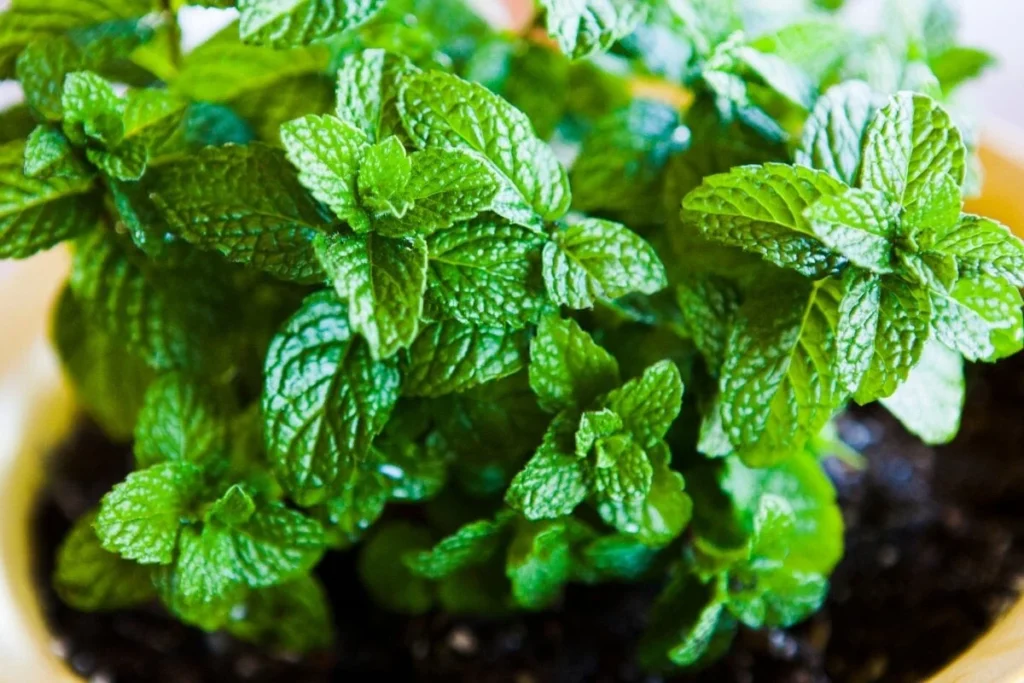
Fresh mint is one of the most popular aromatic herbs used around the world. Known for its refreshing fragrance, cooling taste and vibrant green leaves, mint adds freshness and flavour to a wide variety of food and beverages. From refreshing drinks and salads to chutneys, desserts and traditional dishes, fresh mint is a versatile ingredient in everyday cooking. Whether you are a home cook, professional chef, restaurant owner or food distributor, fresh mint is an essential herb that brings flavour and freshness to every kitchen. At Harvest & Leaf, we believe quality fresh herbs make a difference in food preparation and presentation. What Is Fresh Mint? Mint is an aromatic herb belonging to the Lamiaceae family. Its botanical name is Mentha, and it is widely cultivated in different parts of the world. Fresh mint is recognised by its bright green leaves and distinctive cooling aroma. It is commonly used in Indian, Mediterranean, Middle Eastern and international cuisines. There are several varieties of mint, including spearmint and peppermint, each offering a slightly different flavour and aroma. Nutritional Value of Fresh Mint Fresh mint contains several essential nutrients and beneficial plant compounds. Some of its nutritional components include: Mint is generally consumed in small quantities, but it adds flavour and variety to a balanced diet. Top Health Benefits of Fresh Mint 1. Supports Digestive Health Mint has traditionally been used in food and herbal preparations to support digestive comfort. Its refreshing flavour also makes it a popular ingredient in after-meal drinks and teas. 2. Contains Natural Antioxidants Fresh mint contains natural plant compounds, including flavonoids and phenolic compounds. These antioxidants help protect cells against oxidative stress. 3. Supports Immune Function Mint provides vitamin C and other plant compounds. Vitamin C contributes to normal immune system function as part of a balanced diet. 4. Promotes Fresh Breath Mint is widely used in oral care products because of its refreshing aroma and cooling sensation. Fresh mint leaves are also commonly used in drinks and mouth-freshening preparations. 5. Adds Flavour to Healthy Meals Fresh mint provides a refreshing flavour without adding significant calories to meals. It can make salads, beverages and vegetable dishes more enjoyable. Popular Uses of Fresh Mint in Cooking Fresh mint is one of the most versatile herbs used in kitchens worldwide. 1. Refreshing Mint Drinks Mint leaves are commonly added to lemonade, mojitos, fruit drinks and refreshing summer beverages. 2. Mint Chutney In Indian cuisine, fresh mint is an essential ingredient in green chutney. It is commonly blended with coriander, green chillies, lemon juice and spices. 3. Fresh Salads Chopped mint leaves can be added to cucumber salads, fruit salads and Mediterranean salads to enhance freshness and flavour. 4. Mint Tea Fresh mint leaves can be steeped in hot water to prepare a refreshing herbal infusion. 5. Curries and Rice Dishes Mint is widely used in biryani, pulao, curries and other traditional dishes to provide a distinctive aroma. 6. Desserts and Garnishing Fresh mint leaves are often used to decorate desserts, fruit platters, cakes and other food presentations. Fresh Mint vs Dried Mint Fresh and dried mint are both useful ingredients, but they have different characteristics. Fresh Mint Dried Mint Bright green leaves Dried, crushed leaves Fresh, cooling aroma Concentrated herbal flavour Ideal for drinks and salads Suitable for seasoning Used for garnishing Convenient for longer storage Requires refrigeration Store in a dry, airtight container Fresh mint is particularly popular when appearance, aroma and refreshing flavour are important. How to Choose and Store Fresh Mint Selecting good-quality mint is important for maintaining its freshness and flavour. Here are some useful tips: Proper handling and storage help maintain the quality of fresh mint. Why Fresh Mint Is Important for Restaurants and Food Businesses Fresh mint is widely used by restaurants, hotels, catering companies, food manufacturers and retailers. Its refreshing aroma, attractive appearance and versatile flavour make it a valuable ingredient for professional kitchens. Fresh mint is especially popular for: For businesses, sourcing quality fresh herbs is important for maintaining consistency, presentation and customer satisfaction. At Harvest & Leaf, our focus is on quality fresh produce for customers who value freshness and flavour. Conclusion Fresh mint is more than just a garnish. Its refreshing aroma, natural plant compounds and versatile culinary applications make it an excellent addition to everyday meals. From traditional chutneys and biryani to refreshing beverages, salads and desserts, fresh mint offers countless ways to enhance food and drinks. Choose quality fresh herbs from Harvest & Leaf and bring freshness to every meal.

sage online
vegetable

Fresh Sage Online: Health Benefits, Uses

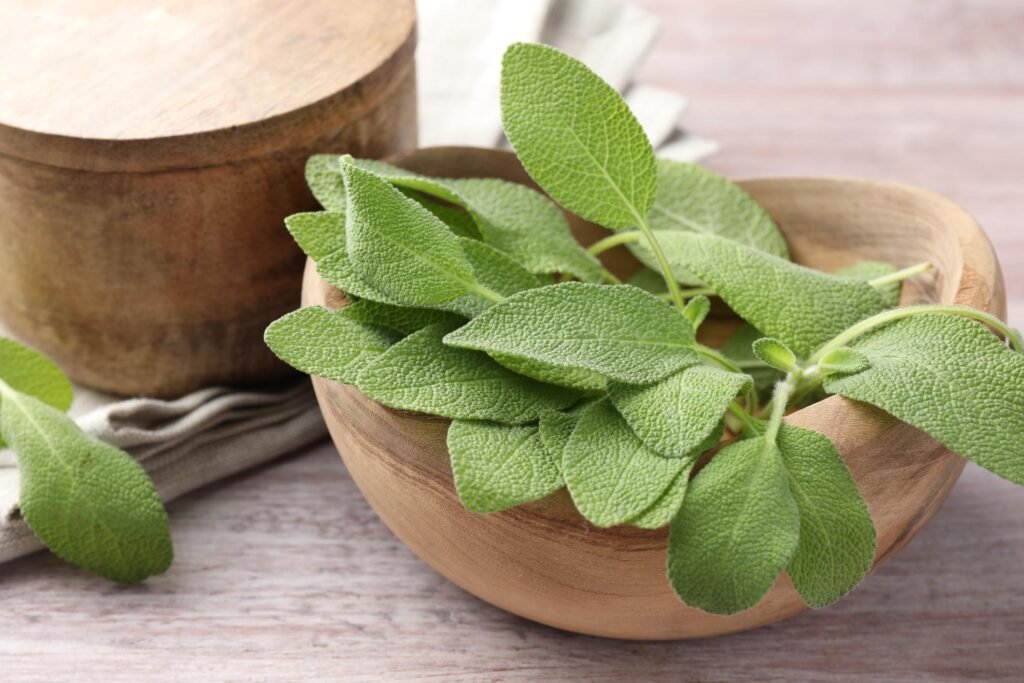
Fresh sage is an aromatic culinary herb known for its earthy flavour, pleasant fragrance and versatile uses. Popular in European, Mediterranean and modern international cuisines, sage adds a distinctive taste to everyday meals. Today, many chefs, restaurants and home cooks prefer fresh herbs to enhance the flavour and presentation of their dishes. If you are looking to buy sage online, choosing fresh, carefully handled leaves can make a difference in your cooking experience. At Harvest & Leaf, we focus on providing quality fresh produce to customers who appreciate freshness, flavour and quality. What Is Fresh Sage? Sage, scientifically known as Salvia officinalis, is a perennial aromatic herb belonging to the mint family. It has soft, grey-green leaves with a slightly fuzzy texture and a strong earthy, peppery aroma. Sage is widely used in cooking, particularly in British, Italian and Mediterranean recipes. Its distinctive flavour makes it an excellent ingredient for sauces, soups, roasted vegetables, pasta and meat dishes. Health Benefits of Fresh Sage 1. Rich in Antioxidants Sage contains natural antioxidant compounds, including rosmarinic acid and flavonoids. These compounds help protect cells against oxidative stress. 2. Supports Brain Health Sage has traditionally been associated with memory and cognitive health. Some research has explored its potential effects on memory and concentration, although more evidence is needed. 3. Supports Digestive Health Sage has a history of traditional culinary and herbal use. Its aromatic properties make it a popular ingredient in herbal preparations and meals. 4. Provides Essential Nutrients Fresh sage contains vitamin K, vitamin A and several minerals. These nutrients contribute to normal body functions and overall nutritional balance. 5. Adds Flavour to Healthy Meals Fresh sage has a naturally strong flavour, so even a small quantity can enhance a dish without relying on excessive salt or heavy seasonings. Nutritional Value of Sage Sage contains several nutrients and beneficial plant compounds, including: Although sage is generally consumed in small quantities, it can add flavour and variety to a balanced diet. How to Choose and Store Fresh Sage When buying fresh sage online, quality and freshness are important. Here are some useful tips: Proper storage helps maintain the herb’s flavour and freshness. Why Buy Sage Online from Harvest & Leaf? Buying fresh herbs online makes it convenient for restaurants, chefs, food businesses and home cooks to access speciality ingredients. Harvest & Leaf focuses on quality fresh produce and aromatic herbs suitable for different culinary requirements. Our sage is a versatile ingredient for: Whether you are preparing traditional recipes or experimenting with international cuisines, fresh sage can bring a distinctive flavour to your kitchen. Conclusion Fresh sage is a valuable culinary herb appreciated for its earthy flavour, aromatic leaves and versatility. From delicious butter sauces to roasted vegetables and traditional recipes, it offers many ways to improve everyday cooking.

Fresh Thyme Health Benefits, Nutritional Value and Uses in Everyday Cooking
vegetable

Fresh Thyme: Health Benefits, Nutritional Value

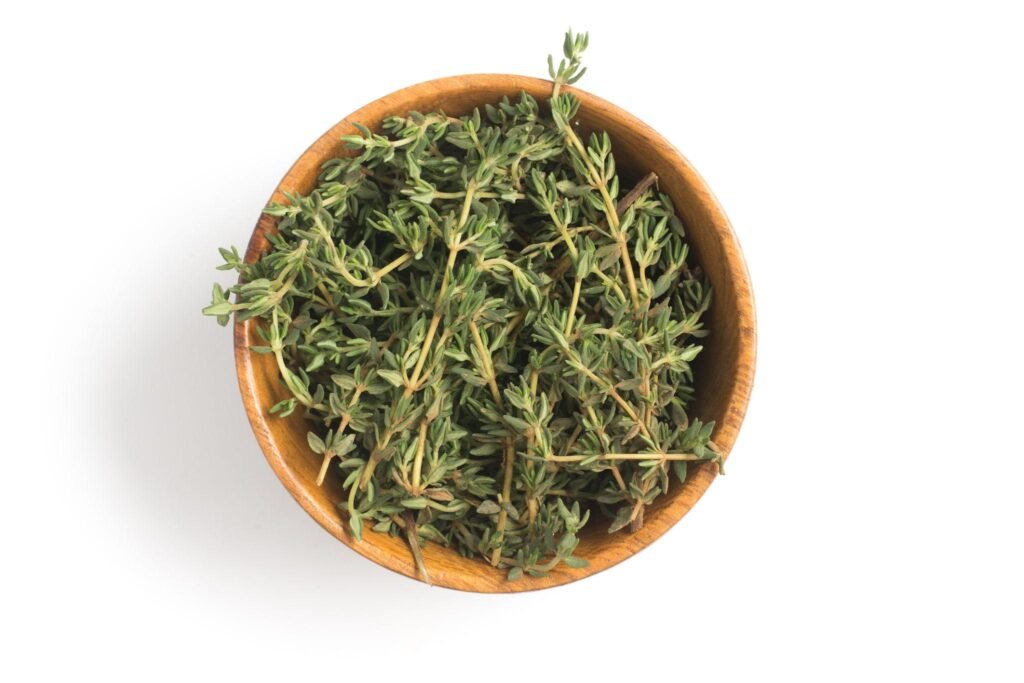
Fresh thyme is an aromatic herb widely used in cooking around the world. Known for its pleasant fragrance, earthy flavour and culinary versatility, thyme adds a unique taste to a variety of dishes. It belongs to the mint family (Lamiaceae) and is commonly used in Mediterranean, European and international cuisines. Besides its culinary uses, fresh thyme contains several beneficial plant compounds and nutrients. At Harvest & Leaf, we believe quality fresh herbs play an important role in creating delicious and nutritious meals. What Is Fresh Thyme? Fresh thyme is a small-leaved aromatic herb that grows on woody stems. Its tiny green leaves have a distinctive earthy, slightly minty and lemon-like flavour. It is commonly used as a seasoning for vegetables, soups, meat, seafood, sauces and marinades. Fresh thyme is popular among chefs, restaurants, hotels and home cooks because even a small amount can enhance the flavour of a dish. Nutritional Value of Fresh Thyme Fresh thyme contains several vitamins, minerals and natural plant compounds. Some of its nutritional components include: Top Health Benefits of Fresh Thyme 1. Rich in Antioxidants Fresh thyme contains natural antioxidant compounds that help protect cells against oxidative stress. Adding herbs to everyday meals is a simple way to introduce more plant compounds into your diet. 2. Supports Immune Health Thyme provides vitamin C and other beneficial plant compounds. Vitamin C contributes to normal immune system function as part of a balanced diet. 3. Supports Digestive Health Thyme has traditionally been used in different cuisines and herbal preparations. Its aromatic properties make it a popular ingredient in meals and herbal teas. 4. Contains Essential Nutrients Fresh thyme provides vitamins and minerals, including vitamin K, vitamin A and iron, which contribute to various important body functions. 5. Adds Flavour Without Extra Calories One of the biggest advantages of fresh thyme is its ability to enhance food flavour without requiring large amounts of salt, sugar or heavy sauces.

What is Capsicum
vegetable

Capsicum: Health Benefits, Side Effects, Uses

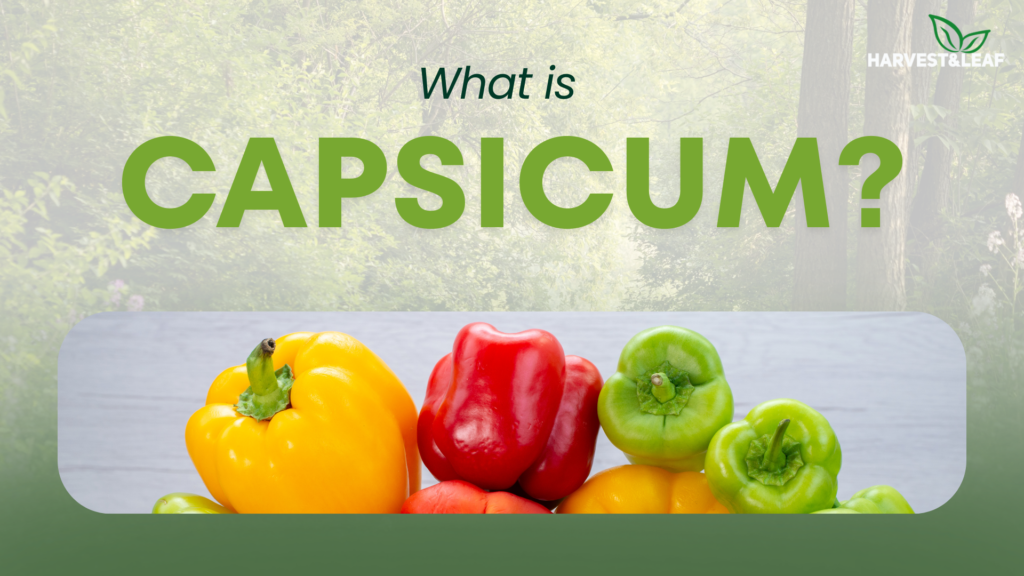
Capsicum is a nutritious, crunchy vegetable commonly known as bell pepper or sweet pepper. In India, it is also called Shimla Mirch. It belongs to the same plant family as chillies but is generally mild and sweet rather than spicy. Different types of capsicum Health benefits of capsicum Why is capsicum important for Harvest & Leaf? Capsicum is an important fresh vegetable for retailers, restaurants, food businesses and distributors. Its attractive colours, crisp texture and versatility make it popular in domestic and international food markets. In simple words: Capsicum is a colourful, sweet-tasting vegetable that makes food delicious while providing essential nutrients. You can also create an SEO blog for Harvest & Leaf titled “Capsicum: Health Benefits, Nutritional Value and Uses in Everyday Cooking.”

what is Okra
vegetable

Fresh Okra: Health Benefits, Nutritional Value

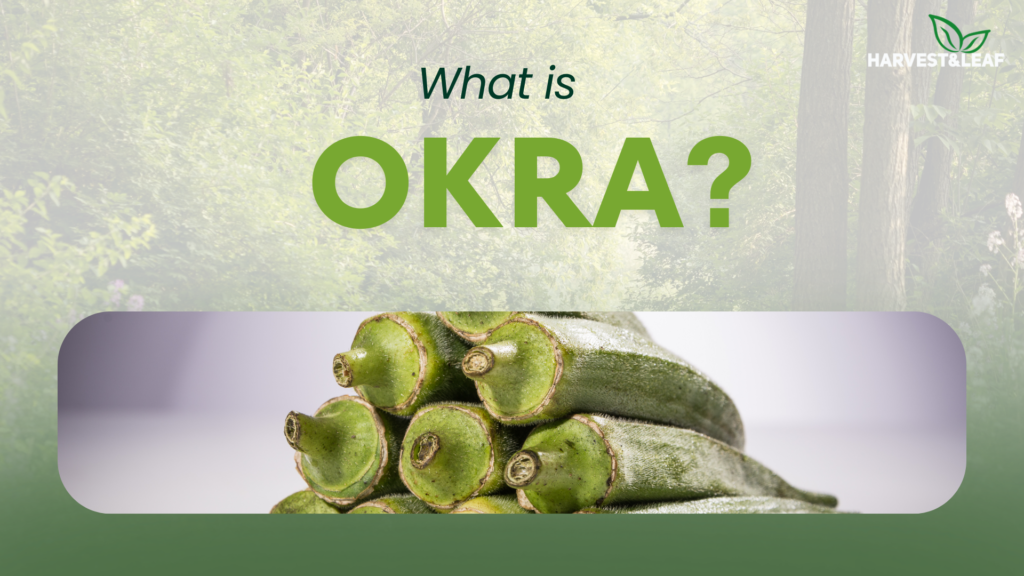
What is okra? Okra is an edible flowering vegetable grown across the tropical and subtropical zones. This plant is known due to its long green fruits with edible seeds. The fresh okra is highly appreciated for its culinary versatility and high nutritional value. Being versatile, this vegetable can be used in different cuisines in various ways of preparation. Nutritional Value of Okra Okra is a highly nutritious vegetable that contains many nutrients but has a low number of calories. According to the official nutrition chart, 100 g of fresh okra has the following amounts of nutrients: Top Health Benefits of Fresh Okra 1. Supports Healthy Digestion Okra contains dietary fibre that helps support regular bowel movements and healthy digestion. Including fibre-rich vegetables in everyday meals can contribute to better digestive health. 2. Helps Support Heart Health The dietary fibre and antioxidant compounds found in okra can contribute to an overall heart-friendly eating pattern. A balanced diet that includes vegetables such as okra is beneficial for maintaining general cardiovascular health. 3. Provides Essential Vitamins Fresh okra contains vitamin C, vitamin K and folate. These nutrients support important body functions, including immune function, normal blood clotting and healthy cell development. 4. Supports Healthy Bones Okra provides vitamin K, which plays an important role in normal blood clotting and bone metabolism. Including vitamin K-rich foods in a balanced diet helps support overall bone health. 5. Contains Antioxidants Okra contains natural antioxidant compounds, including polyphenols and flavonoids. Antioxidants help protect cells against oxidative stress as part of a healthy diet. 6. Aids a Balanced Diet With its low calorie content and dietary fibre, okra is an excellent vegetable for people looking to enjoy nutritious and satisfying meals. How to Choose Fresh Okra Choosing fresh, good-quality okra makes a difference in both taste and cooking results. Here are some simple tips: Freshness is important for maintaining the vegetable’s quality and flavour. Delicious Ways to Include Okra in Your Meals Fresh okra is easy to incorporate into different recipes. Some popular preparation ideas include: Why Fresh Produce Quality Matters The quality of vegetables can influence their taste, texture and overall cooking experience. Freshly handled produce, proper storage and careful selection are important factors in maintaining vegetable quality. At Harvest & Leaf, our focus is on bringing quality fresh produce to customers who value freshness, consistency and great food experiences. Whether you are a food business, retailer, distributor or individual consumer, choosing quality vegetables is an important step towards better meals. Final Thoughts Fresh okra is more than just an everyday vegetable. Its nutritional value, dietary fibre, essential vitamins and versatility make it a great ingredient for a balanced diet. From traditional curries to modern healthy recipes, there are countless ways to enjoy this nutritious green vegetable. Choose quality fresh produce and make nutritious eating part of your everyday lifestyle with Harvest & Leaf. A half cup of cooked okra contains:

Scroll to Top