
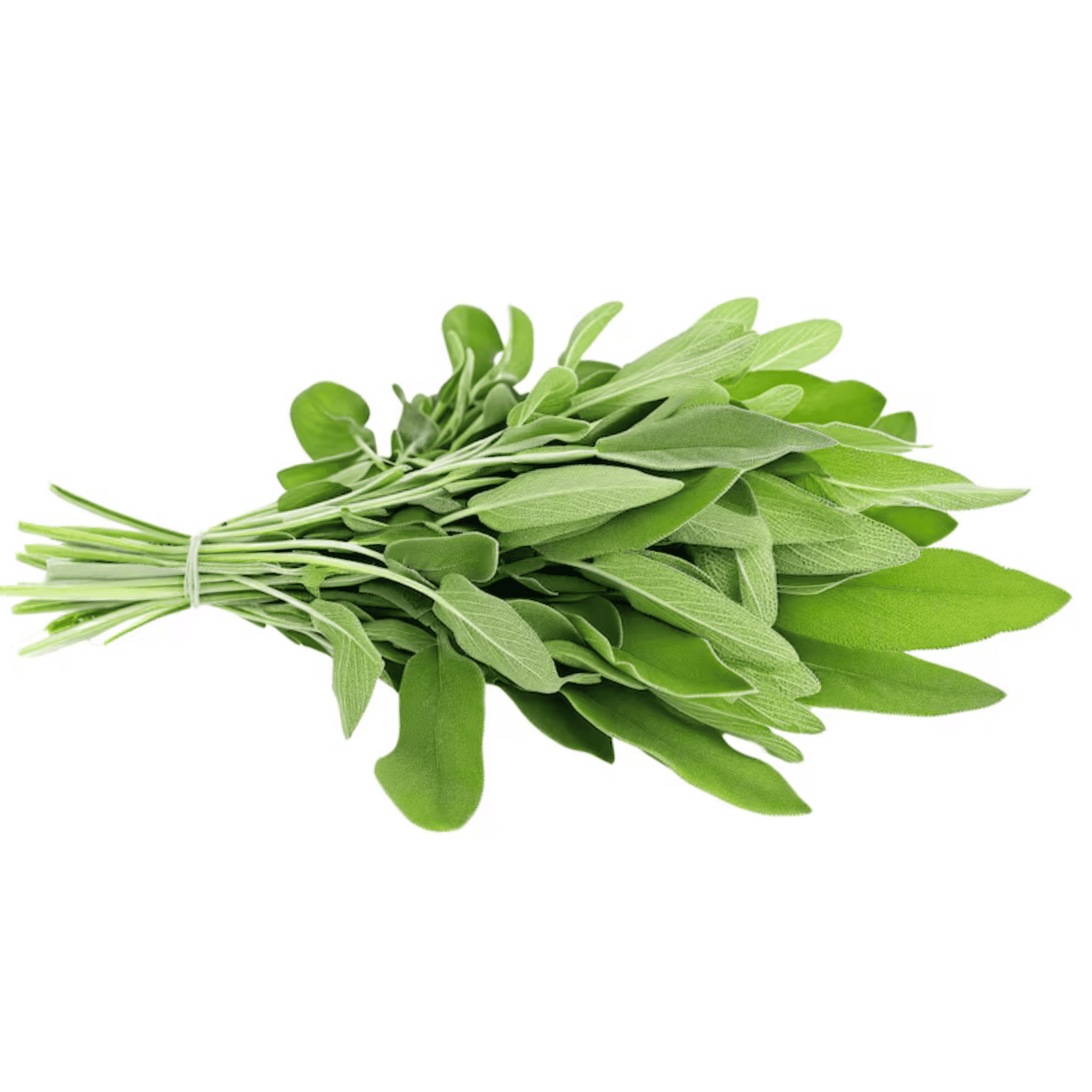

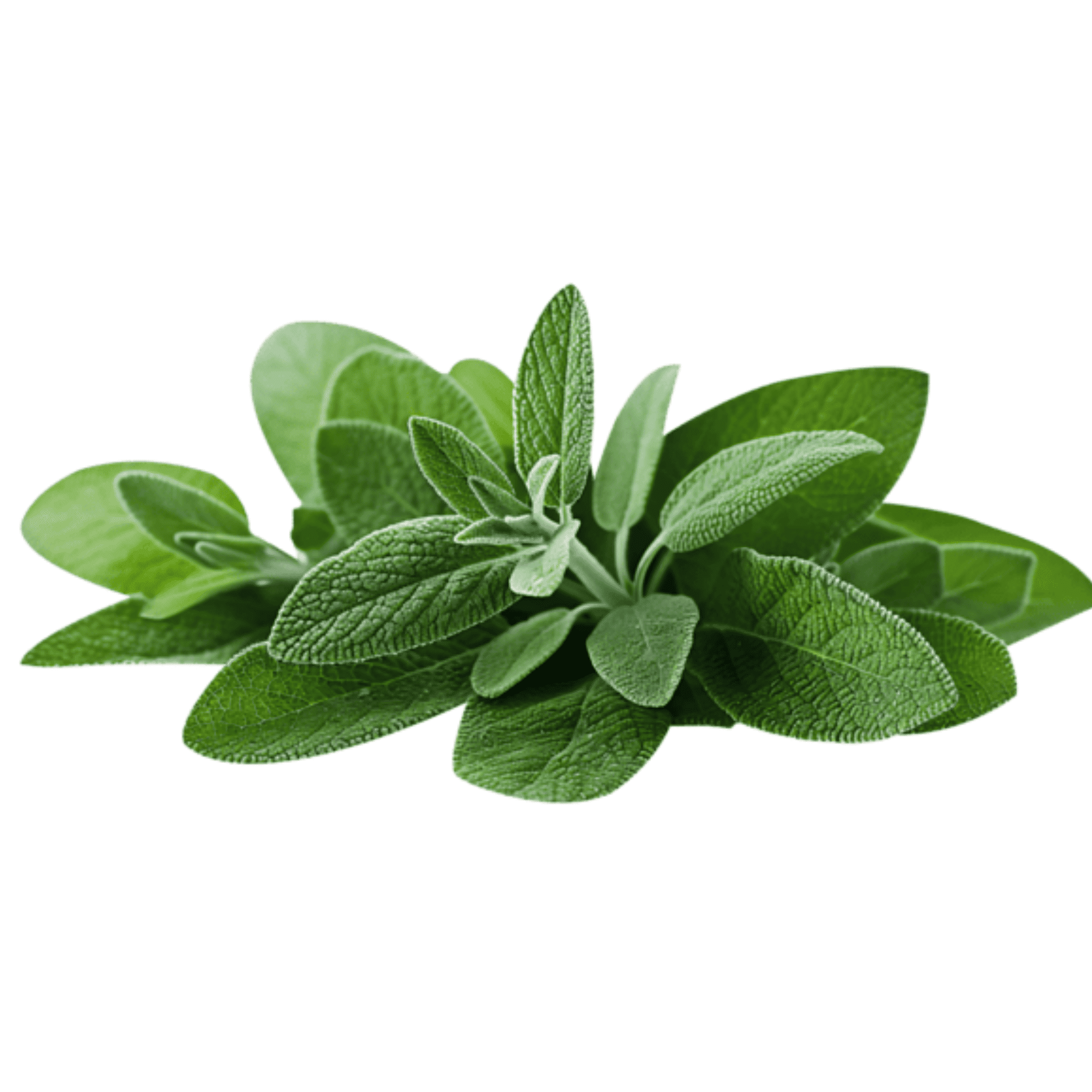
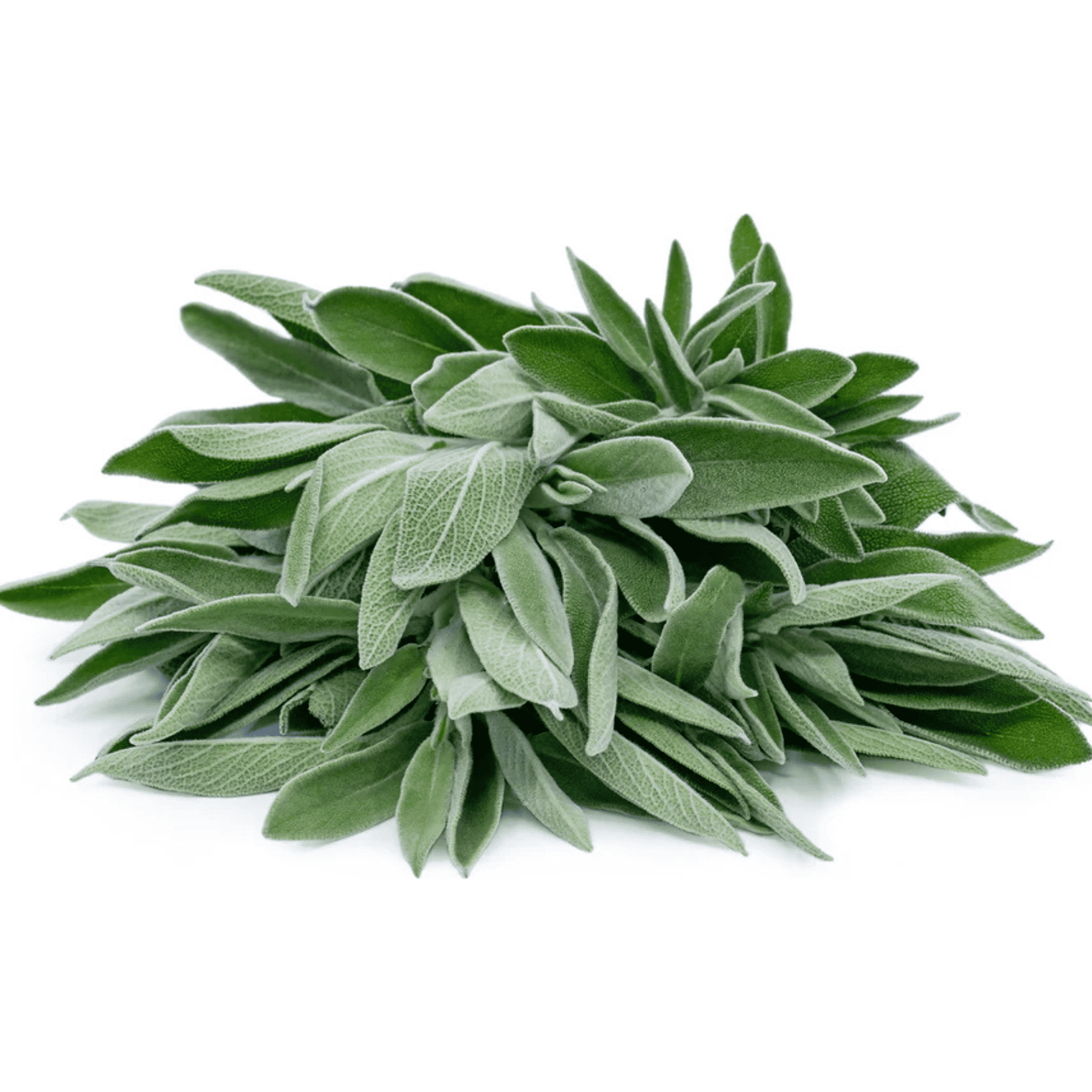
What Is Sage?
Sage is a perennial herb native to the Mediterranean region and long prized across Europe for its distinct flavor and aromatic properties. Belonging to the mint family (Lamiaceae), sage has soft, gray-green leaves and a warm, slightly peppery taste. Traditionally, it has been used for culinary, medicinal, and ceremonial purposes.
In the UK, sage is a staple herb in roast dishes, sauces, and stuffings, while in Italy, it’s cherished in rustic cooking, especially in regions like Tuscany and Umbria where sage is paired with pasta, meats, and traditional olive oil.
Why Choose Harvest & Leaf Sage?
At Harvest & Leaf, quality isn’t just a promise — it’s a guarantee.
Premium Freshness
Our sage leaves are carefully harvested at peak maturity to ensure maximum flavor and aroma. This means every batch delivers a rich, satisfying taste that elevates your culinary creations.
Natural & Sustainable
We partner with growers who follow sustainable farming practices. Our sage is free from unnecessary chemicals and preservatives, so you can enjoy fresh herbs the way nature intended.
Perfect for Every Kitchen
Whether you’re a professional chef or a passionate home cook, our sage is versatile and easy to use — making it ideal for British roasts, Italian sauces, soups, teas, and more.
Fast Delivery to UK & Italy
We offer reliable and fast shipping across both the United Kingdom and Italy, so you can enjoy fresh sage wherever you are.
Cultural Importance of Sage in the UK
In the UK, sage has a long culinary history and is especially associated with hearty comfort dishes. British chefs and home cooks rely on sage for:
Sage & Poultry
Sage pairs beautifully with roast turkey, chicken, or goose. Its robust flavor cuts through rich meats and enhances savory profiles.
Stuffings & Sauces
Sage is a classic ingredient in traditional British stuffings — often combined with breadcrumbs, onions, and herbs to create a deeply flavorful side for Sunday roasts.
Soups & Stews
Add sage to root vegetable soups, stews, and hearty broths for a warming and aromatic accent that’s perfect for colder months.
Throughout Britain, sage is synonymous with comfort cooking, festive holidays, and classic culinary heritage.
Sage in Italian Cuisine
Italy embraces herbs everywhere, and sage holds an honorable place in Italian kitchens — especially in central regions like Tuscany, Lazio, and Umbria.
Sage & Butter Sauce (Salsa al Burro e Salvia)
One of the most iconic Italian preparations involves fresh sage leaves sautéed in butter and drizzled over pasta such as gnocchi, ravioli, or tagliatelle. The result is simple, yet irresistibly flavorful.
Meat & Game
Italian chefs often use sage alongside garlic and rosemary to season pork, lamb, or game meats. The herb enriches sauces and marinades with depth and aroma.
Bread & Focaccia
Sage can be added to focaccia or rustic bread dough, giving a fragrant herbal twist to traditional baked goods.
In Italy, sage represents culinary sophistication rooted in simplicity — ingredients that speak for themselves without unnecessary complexity.
Health Benefits of Sage Leaves
Beyond its culinary versatility, sage has a long history in herbal wellness. Modern science supports many traditional uses of sage for health and well-being.
1. Rich in Antioxidants
Sage contains powerful antioxidant compounds such as rosmarinic acid and flavonoids that help protect cells from oxidation and stress.
2. Cognitive Support
Research suggests sage may support memory and brain function — making it of interest in studies related to learning and mental clarity.
3. Anti-Inflammatory Properties
Sage exhibits anti-inflammatory benefits that may help soothe mild inflammation and support overall immune health.
4. Oral Health
Traditional herbalists have used sage for oral health, including soothing sore gums and supporting fresh breath.
5. Digestive Wellness
Sage tea may help reduce bloating, improve digestion, and ease occasional stomach discomfort.
6. Heart Healthy Nutrients
Sage contains potassium and other micronutrients that play a supportive role in cardiovascular health.
Nutritional Profile of Sage
Sage leaves are more than flavor boosters — they’re also nutrient-dense herbs that offer:
-
Vitamin K: Important for blood clotting and bone health
-
Vitamin A: Supports vision and immune function
-
Calcium: Critical for strong bones and muscle function
-
Iron: Essential for healthy red blood cells
-
Manganese: Supports metabolism and bone development
-
Fiber: Helps maintain digestive health
How to Use Sage in Cooking
Whether you’re crafting classic British recipes or iconic Italian dishes, sage is easy to incorporate.
Fresh Sage Tips
-
Add whole leaves to soups or stews for aromatic depth
-
Finely chop and mix into stuffings, marinades, or sauces
-
Sauté with butter or olive oil for a fragrant herb base
Sage Infused Oil
Heat olive oil with sage leaves until fragrant. Use this oil as a dressing for pasta, roasted vegetables, or grilled fish.
Sage & Citrus Pairings
Combine sage with lemon zest and garlic to elevate poultry and seafood dishes.
Simple Sage Recipes from UK & Italy
🇬🇧 Classic Sage Stuffing
Ingredients: Fresh sage leaves, breadcrumbs, onion, celery, butter, salt, pepper
Instructions:
-
Sauté onions and celery in butter.
-
Stir in chopped sage and breadcrumbs.
-
Season with salt and pepper and bake until golden.
Perfect with roast chicken or turkey.
🇮🇹 Sage Butter Pasta
Ingredients: Pasta of choice, butter, fresh sage leaves, Parmesan, black pepper
Instructions:
-
Cook pasta until al dente.
-
Melt butter in a pan and add sage leaves until crisp.
-
Toss pasta in sage butter, finish with Parmesan and pepper.
Simple, elegant, and rich in flavor.
Sage Tea
Ingredients: Fresh sage leaves, hot water, honey (optional)
Instructions:
-
Place a handful of sage leaves in a teapot.
-
Pour hot water and steep for 5–7 minutes.
-
Sweeten with honey if desired.
A soothing herbal tea to relax after meals.
Buying & Storing Sage
How to Choose Quality Sage
Look for:
-
Vibrant green leaves
-
Fresh aroma
-
No wilting or browning
-
Clean, pest-free appearance
At Harvest & Leaf, we guarantee quality with every batch.
Storing Fresh Sage
-
Refrigerate: Wrap in a damp paper towel and place in a sealed container
-
Freeze: Lay leaves flat on a tray, freeze, then transfer to airtight bags
-
Dry: Hang in a cool, dry place to preserve for longer months
Proper storage keeps sage aromatic and usable for weeks.
Sage for Wellness: Tea, Oils & Infusions
Herbalists recommend sage tea or sage-infused oils for natural wellness. Sage oil, when used topically (diluted with carrier oil), may support skin health, muscle relaxation, or aromatherapy routines.
Always consult a healthcare professional before using herbs medicinally.
FAQs – Sage Leaves UK & Italy
Q: Can I buy sage online with delivery to the UK and Italy?
A: Yes! Harvest & Leaf ships fresh sage leaves to both the United Kingdom and Italy with fast, reliable delivery.
Q: What dishes work best with sage?
A: Sage works beautifully with poultry, pork, pasta sauces, risottos, roasted vegetables, and herbal teas.
Q: Are sage leaves healthy to eat raw?
A: Yes — raw sage leaves can be added to salads or blended into dressings, though their strong flavor is usually better balanced when cooked.
Why Sage Is a Must-Have Herb
Sage is much more than an aromatic herb — it’s a culinary star, a traditional wellness ally, and a versatile ingredient with roots in European food history. From cozy British kitchens to Italian trattorie, sage has earned its place in cooking, culture, and well-being.
At Harvest & Leaf, our premium sage brings freshness, quality, and flavor to your table. Whether you’re seasoned in herb-rich cooking or just discovering sage for the first time, our product delivers unsurpassed taste and value.
Reviews
There are no reviews yet.