
Okra Online in UK and Italy
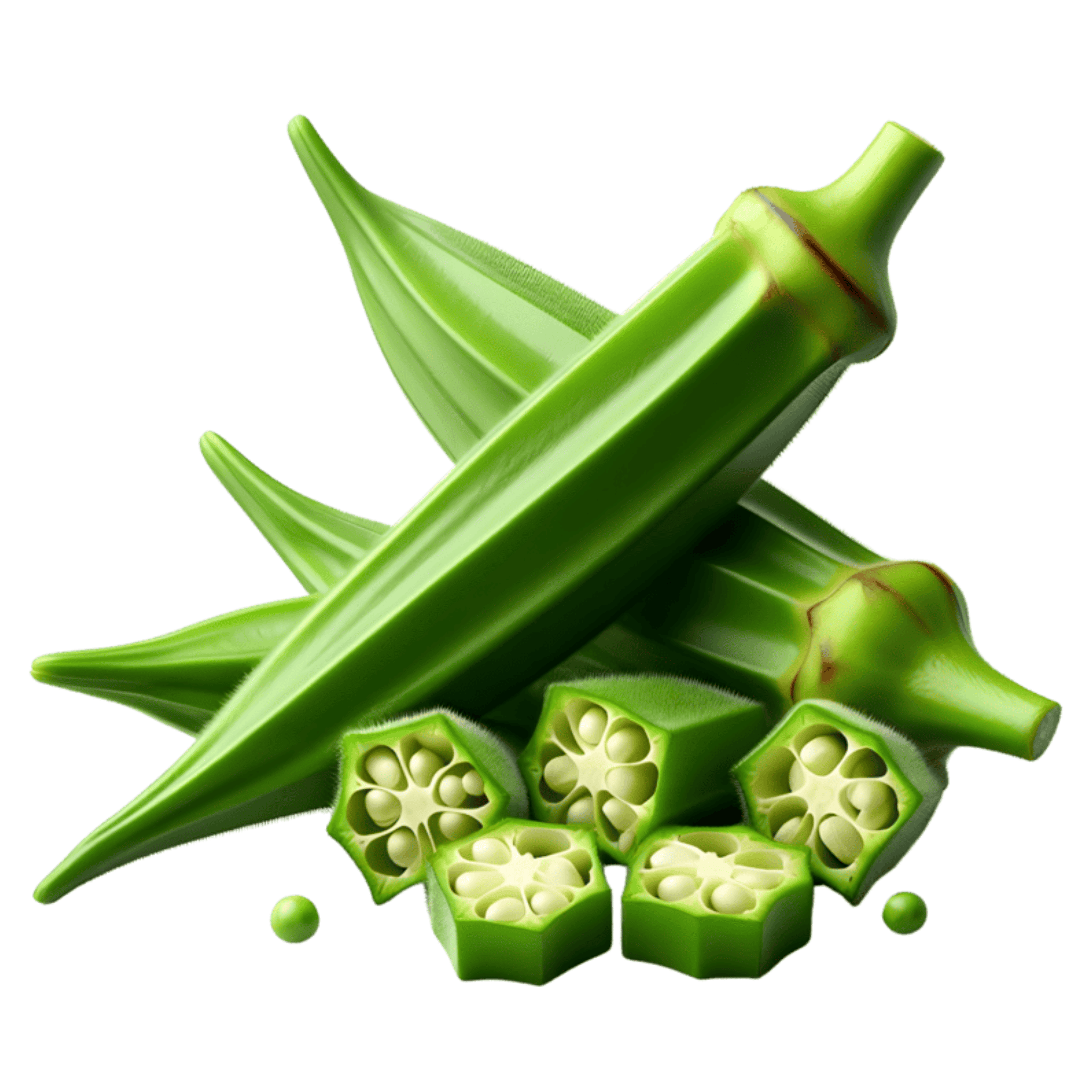
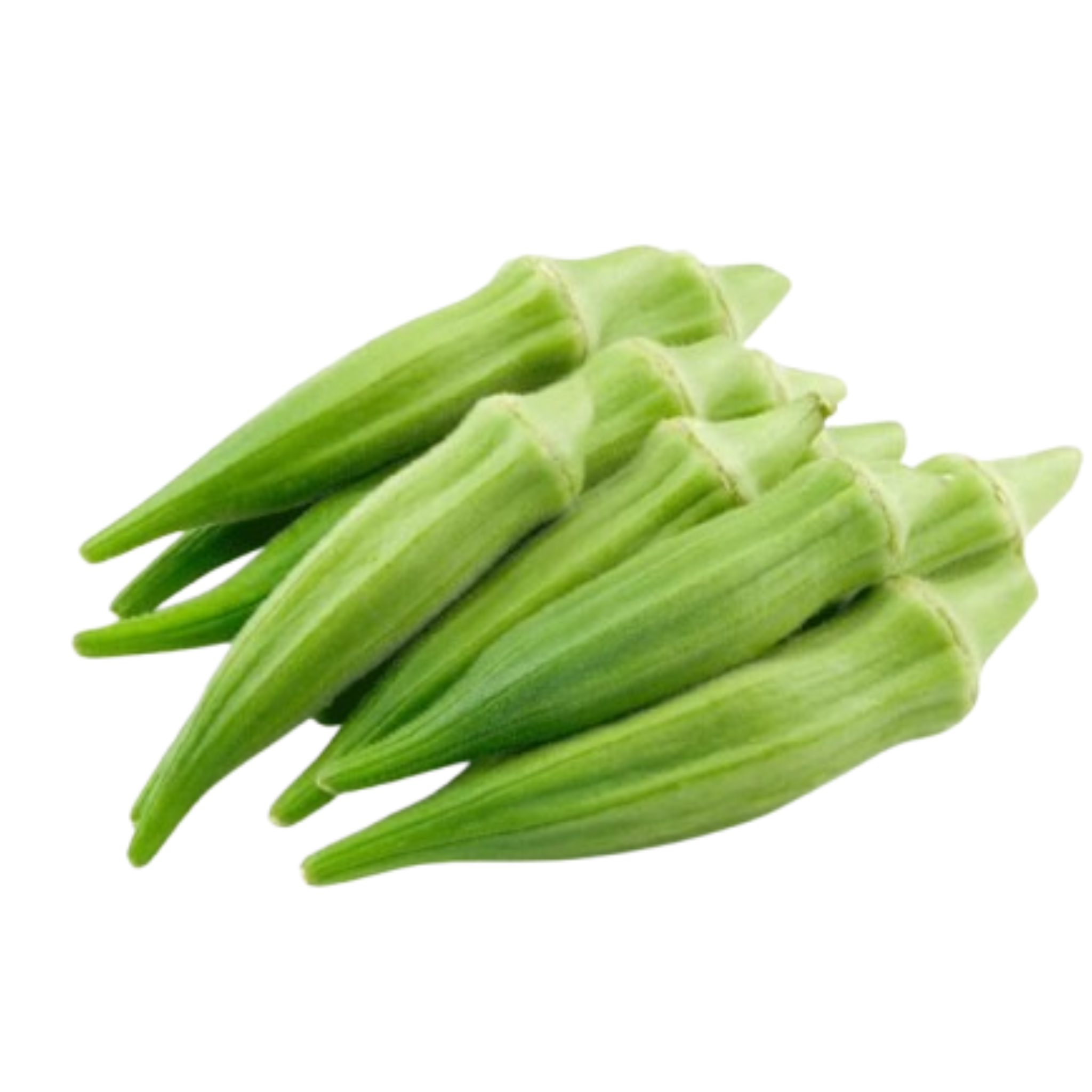
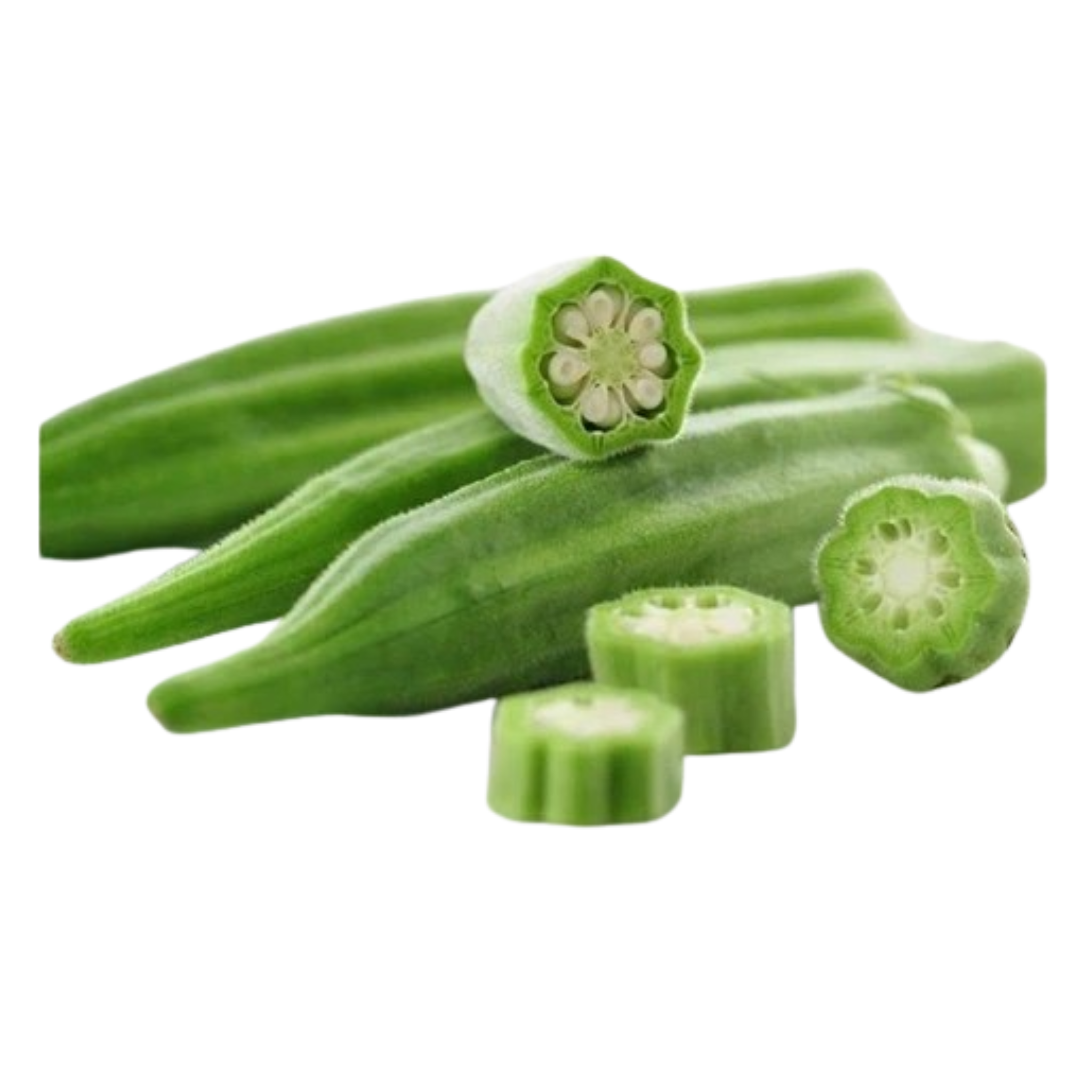
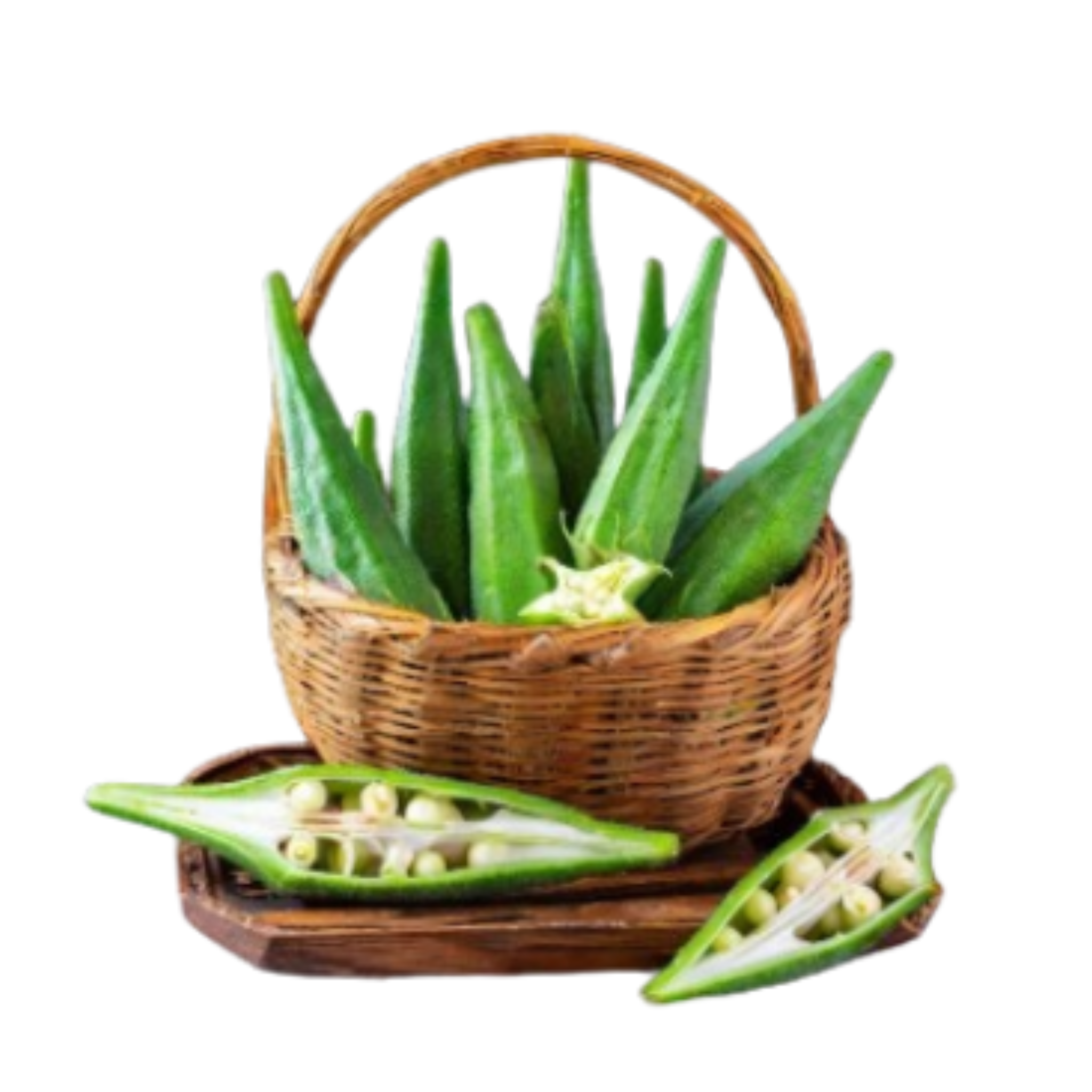
Okra (Abelmoschus esculentus) is a warm-season vegetable known for its long, tender pods and unique texture. Commonly called lady’s fingers or bhindi, okra has been cultivated for thousands of years and plays an important role in cuisines across Africa, Asia, the Americas, and increasingly in Europe.
The plant belongs to the mallow family (which includes hibiscus and cotton) and grows best in warm climates. The most familiar part used for food is the immature green pods, which contain numerous seeds and have a mild, slightly grassy flavor.
Nutritional Highlights
Okra isn’t just tasty — it’s highly nutritious. It’s low in calories but rich in vitamins, minerals, and fiber:
-
Low-calorie (only ~33 kcal per 100g) with high water content.
-
High in dietary fiber, especially soluble fiber, which supports digestion.
-
Excellent sources of vitamins C and K, plus folate and magnesium.
-
Contains antioxidants such as flavonoids and polyphenols.
These nutrients support healthy digestion, immune function, blood sugar regulation, and may contribute to heart health. More experimental research suggests the fiber and phytochemicals may help lower LDL cholesterol and reduce oxidative stress.
Okra in the UK & Italy: Regional Profiles
UK Context
In the UK, okra is less commonly grown outdoors due to the cooler climate. However, hobby gardeners and specialty producers are increasing its presence:
- Greenhouse cultivation is common because okra needs warmth and sunlight. Keeping plants in polytunnels or greenhouses reduces weather risk and boosts yields.
- Planting time typically starts indoors in early spring (March–April) with transplantation after the last frost.
- Local markets and farmers’ stalls sometimes offer okra in late summer, reflecting its niche but growing demand.
In British kitchens, okra often appears in global recipes — from Indian curries to Caribbean stews — more than in traditional British dishes.
Italy Highlights
Italy’s warmer southern regions (e.g., Sicily, Calabria) are more suitable for okra cultivation:
- Okra can be planted in late spring when soil temperatures rise.
- It appears in Mediterranean and African-inspired dishes found in Italian markets and restaurants, particularly in coastal and agriturismo settings.
- Italian home cooks may combine okra with tomatoes, olive oil, herbs, and seafood — blending local flavors with the pod’s texture.
Unlike the UK, where okra is still emerging, Italy’s climate allows more reliable outdoor cultivation and a slightly wider culinary adoption.
Growing Okra: A Practical Guide for the UK & Italy
Climate & Environment
Okra thrives in warm to hot conditions with plenty of sun. It’s traditionally a tropical/subtropical plant and needs:
- At least 6–8 hours of direct sunlight daily.
- Soil that’s well-drained, fertile, and slightly acidic to neutral.
- Protection from frost — in the UK this means greenhouse or container growing.
Planting Steps
- Start Seeds Early: Sow seeds indoors 6–8 weeks before the last frost.
- Use Warm Soil: Plant outdoors (or in greenhouses) once soil warms above ~20°C.
- Spacing: Give each plant plenty of room — at least 30–90 cm apart.
- Support: Tall plants may need staking, especially in windy areas.
Harvesting Tips
- Pods should be harvested when tender (about 7–15cm long), otherwise they become tough and fibrous.
- Harvest regularly — sometimes daily — to encourage continuous production.
- Wear gloves if handling vigorously — okra stems have tiny hairs that can irritate skin.
Post-Harvest Handling
Okra pods have high water content and spoil quickly. In warm climates like Italy, they should be used soon after picking. Freezing is an excellent preservation method for longer storage.
Culinary Uses: UK, Italy & Beyond
Okra’s flavor and texture lend themselves to many dishes:
Classic Dishes
- Bhindi Masala (Indian Stir-Fry): Okra sautéed with onions, tomatoes, and spices.
- Gumbo (American): Okra thickens rich stews with meat or seafood.
- Mediterranean Versions: In Italian kitchens, okra might be paired with olive oil, herbs, and tomatoes in stews or sautéed side dishes.
Popular Cooking Methods
- Frying: Breaded and pan-fried for crisp texture.
- Grilling: Lightly charred pods with seasoning.
- Stewing: Combined with other vegetables or proteins.
- Pickling: Preserves flavor and adds tang.
Reducing Sliminess
Okra’s characteristic mucilage — the sticky substance inside — is prized for thickening but disliked by some. To reduce this:
- Cook at high heat.
- Avoid overcrowding the pan.
- Add acidic ingredients like tomatoes or vinegar.
Health Benefits in Detail
Okra’s nutrient profile supports several health functions:
Digestive Health
-
High fiber content helps regulate digestion and may help prevent constipation.
Antioxidants & Immune Support
-
Vitamins C and K plus polyphenols work as antioxidants that protect cells.
Heart & Blood Sugar
- Soluble fiber can help lower LDL cholesterol, supporting heart health.
- Some evidence suggests okra may aid blood sugar regulation for diabetics.
Okra in Modern European Cuisine
European chefs increasingly appreciate okra for texture and versatility:
- Fusion restaurants in the UK feature okra in global menus.
- Italian trattorie may include it in vegetable medleys or seasonal offerings.
- Farmers’ markets showcase heirloom and specialty varieties.
Though still not as mainstream as staples like tomatoes or zucchini, okra’s popularity is growing as consumers seek nutrient-dense, flavorful produce.
Reviews
There are no reviews yet.