

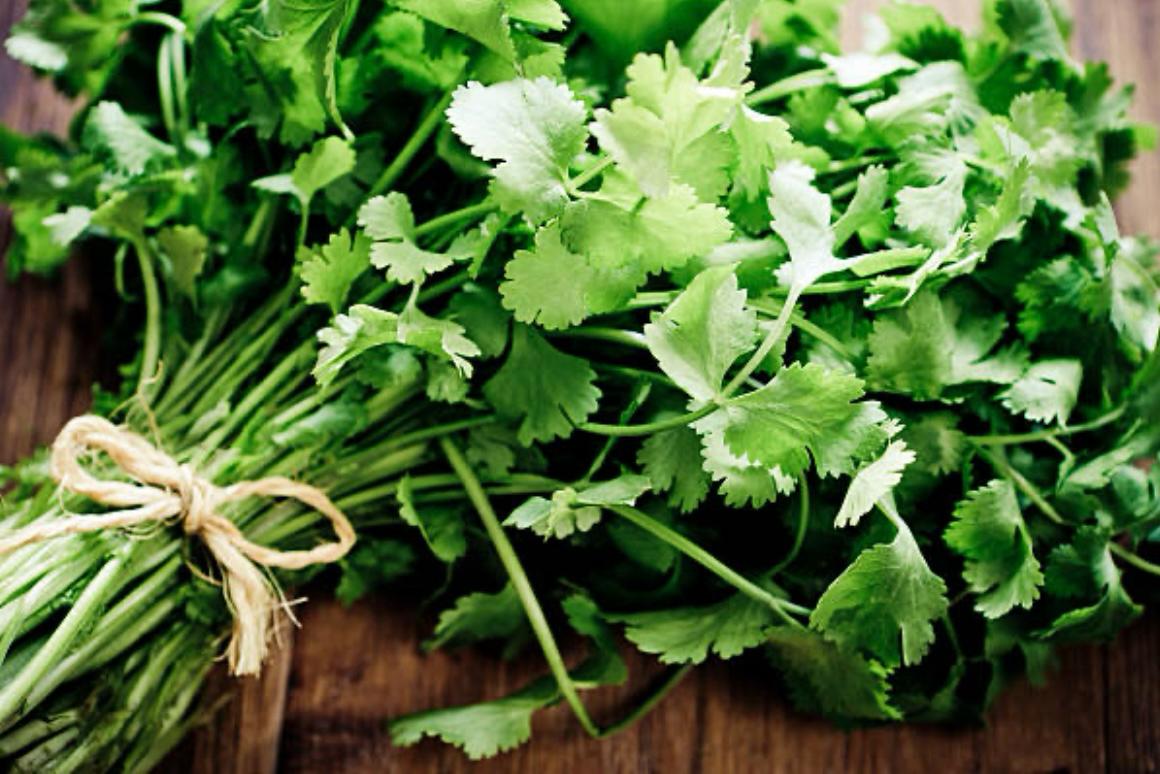
What Are Coriander Leaves?
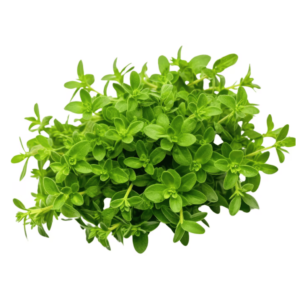
Coriander (Coriandrum sativum), also known as cilantro in some regions, is a leafy herb loved around the world for its distinctive fresh, citrusy flavor. While the seeds and roots are also used in various cuisines, it’s the vibrant leaves that deliver fresh brightness to dishes.
Coriander is integral to many global cuisines but is now especially popular in the UK and Italy for both traditional cooking and contemporary fusion dishes.
Why Choose Harvest & Leaf Coriander Leaves?
At Harvest & Leaf, we take quality seriously. Our coriander leaves are:
Fresh & Vibrant
Harvested at peak natural flavor and carefully packed to preserve freshness and aroma.
Natural & Sustainably Grown
We partner with growers who practice environmentally friendly farming and avoid unnecessary chemical additives.
Fast UK & Italy Delivery
Whether you’re in London, Manchester, Rome, or Milan, we ensure crisp coriander is delivered with care.
Perfect for Every Kitchen
From simple salads to gourmet dinners, our coriander enhances flavour, texture, and nutrition.
Coriander Leaves in UK Cuisine
In the UK, coriander has grown in popularity as British chefs and home cooks embrace global flavours. It’s especially common in:
🇬🇧 Salads & Dressings
Fresh coriander adds brightness to summer salads, cold grain bowls, and citrus dressings.
Soups & Stews
Stir in coriander at the end of cooking to preserve its fresh flavour in broths and creamy soups.
Wraps & Sandwiches
Coriander brings a fresh floral note to wraps, sandwiches, and brunch favourites.
Global Fusion Dishes
With growing interest in Indian, Mexican, and Middle Eastern cuisines, coriander has become a staple herb in British kitchens.
From east London bistros to countryside home tables, coriander bridges classic British tastes with international inspiration.
Coriander in Italian Cuisine
Italy may be famous for basil and oregano, but fresh coriander is steadily gaining fans, especially in contemporary Italian cooking and regional specialties.
Fresh Salads & Antipasti
Coriander joins Italian ingredients like tomatoes, olives, and lemon zest in bright antipasti and summer salads.
Seafood Dishes
On Italian coasts, coriander pairs beautifully with grilled prawns, calamari, and white fish — especially when combined with citrus and extra virgin olive oil.
Tomato Base Sauces
Add coriander at the end of cooking to fresh tomato sauces to create a lively, herbaceous finish.
Italian chefs appreciate fresh coriander’s vibrant contrast to traditional Mediterranean herbs.
Nutritional Profile of Coriander Leaves
Coriander is not just flavourful — it’s nutrient-rich. A serving of fresh coriander leaves offers:
- Vitamin A – Supports healthy vision and immune response
- Vitamin C – Powerful antioxidant
- Vitamin K – Essential for bone health and blood clotting
- Fibre – Supports digestion
- Minerals – Including potassium, calcium, and iron
These nutrients make coriander a smart addition to daily meals, whether in soups, salads, sauces, or smoothies.
Health Benefits of Coriander Leaves
Coriander leaves are not only delicious — they’re also associated with a range of wellness properties:
1. Antioxidant Power
Coriander is rich in antioxidants that help reduce oxidative stress and protect cells from damage.
2. Natural Anti-Inflammatory Effects
Active plant compounds in coriander may help reduce inflammation throughout the body.
3. Supports Digestive Health
Traditionally, coriander has been used to improve digestion, reduce bloating, and maintain gut balance.
4. Immune Support
Vitamin C and other nutrients in coriander can help strengthen your body’s natural defences.
5. Heart Health
Potassium and flavonoids in coriander leaves may contribute to healthy blood pressure levels and cardiovascular wellbeing.
6. Blood Sugar Regulation Support
Emerging research suggests coriander can help support balanced blood sugar levels.
7. Supports Detoxification
Some traditional herbalists use coriander to assist natural detoxification processes.
How to Use Coriander Leaves in Everyday Cooking
Coriander leaves are extremely versatile — use them raw, lightly cooked, or as garnish:
Salads
Add fresh coriander leaves to garden salads, quinoa bowls, and grain mixes.
Soups & Stews
Stir coriander in just before serving so the flavour stays vibrant.
Drinks
Use coriander to infuse water, make herbal iced tea, or brighten up cocktails.
Wraps & Sandwiches
Fresh coriander pairs well with avocado, hummus, chicken, and grilled vegetables.
Curries & Sauces
Coriander leaves add dimension to curry pastes, tomato sauces, chutneys, and dips.
Citrus Pairings
Combine coriander with lime or lemon for lively herbal freshness.
Simple & Delicious Coriander Recipes
Here are a few easy recipes to inspire your next meal:
Coriander Citrus Salad (UK & Italy Friendly)
Ingredients:
- 1 large cucumber, sliced
- 2 tomatoes, chopped
- ½ red onion, thinly sliced
- A handful of fresh coriander leaves
- Juice of 1 lemon or lime
- Extra virgin olive oil
- Salt & pepper
Method:
- Mix vegetables in a bowl.
- Add fresh coriander leaves.
- Drizzle lemon juice and olive oil.
- Season and serve chilled.
Fresh, bright, and perfect with Mediterranean meals.
Coriander & Lemon Soup
Ingredients:
- 1 tbsp olive oil
- 1 onion, diced
- 2 carrots, diced
- 1 litre vegetable stock
- 2 handfuls fresh coriander leaves
- Juice of ½ lemon
Method:
- Sauté onion and carrots until soft.
- Add stock, simmer 10 minutes.
- Blend with coriander leaves.
- Add lemon juice and serve.
Light and warming — great for any season.
🍛 Coriander Chutney (Easy Herb Dip)
Ingredients:
- 2 cups fresh coriander
- 1 green chilli
- 1 clove garlic
- Juice of 1 lime
- Salt to taste
Method:
- Blend all ingredients to a smooth paste.
- Serve with wraps, grilled meats, or as a dip.
A vibrant herb condiment with global appeal.
Saving & Storing Fresh Coriander
To maintain peak freshness:
Fridge Method
Wrap coriander leaves in a damp paper towel and store in an airtight container.
Freezing
Blanch leaves quickly, dry, then freeze in airtight bags.
Long-Term Drying
Air-dry to create dried coriander for extended shelf life — great for winter use.
Proper storage preserves flavour and reduces food waste.
Growing Your Own Coriander
Coriander can easily be grown at home — whether in a garden, balcony planter, or kitchen windowsill.
Growing Tips
-
Prefers sunny location
-
Water consistently without overwatering
-
Harvest leaves regularly for continuous growth
-
Sow fresh seeds every few weeks for a steady supply
Homegrown coriander gives you fresh leaves whenever you need them.
Coriander for Wellness – Beyond Food
Coriander isn’t just culinary — it has traditional uses in natural health:
Herbal Tea
Steep fresh leaves in hot water for a soothing herbal infusion.
Flavoured Water
Add coriander, lemon, and mint to water for a refreshing detox drink.
Aromatherapy
Coriander’s fresh scent can uplift mood, reduce stress, and enhance relaxation.
Frequently Asked Questions (FAQs)
Q: Is coriander healthy to eat daily?
A: Yes — in food amounts, coriander leaves are nutritious, safe, and beneficial.
Q: Can coriander be cooked?
A: Yes — add coriander leaves toward the end of cooking for best flavour.
Q: Do you ship fresh coriander to the UK and Italy?
A: Yes — we deliver fresh coriander across both the United Kingdom and Italy.
Q: How long does coriander stay fresh?
A: With proper storage in the fridge, coriander can stay fresh for up to 5–7 days.
Why Coriander Should Be in Your Kitchen
Coriander leaves are one of the most versatile and flavorful herbs you can add to your meals. Their vibrant aroma complements salads, sauces, stews, drinks, and dressings — all while offering nutritional and wellness benefits.
Whether you’re creating a classic Italian antipasti salad or a modern British herb bowl, coriander brings colour, flavour, and depth to every dish.
Reviews
There are no reviews yet.