
Kent mango is one of the most beloved mango varieties throughout the world. Its smooth texture and sweet flavor make it a popular choice for fruit enthusiasts, professional chefs, and people who prioritize their health. The detailed guide from Harvest & Leaf provides readers with complete knowledge about this premium fruit which includes information about the origin of kent mango and details on how to store it and its health benefits.
What Is Kent Mango?
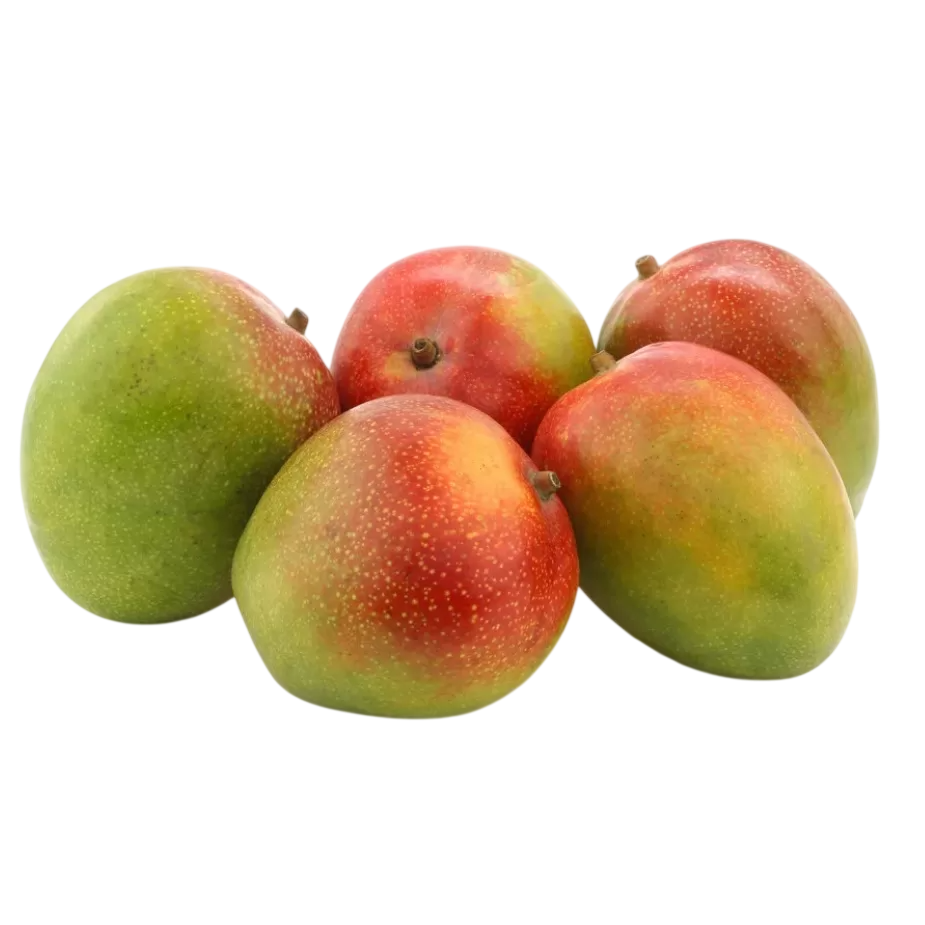
The Kent mango stands out as a substantial mango type which people recognize for its sweet taste and smooth fruit texture combined with its minimal fiber content. The Kent mango first emerged in Florida during the 1940s which marks the establishment of its original birthplace. The plant now grows throughout multiple regions which include Mexico, Peru, Ecuador, and various areas of the United States.
The kent mango produces a sweet flavor which combines tropical notes with a slight peach taste and only a small amount of sourness. The product works well for smoothies and desserts plus it serves as a delicious treat when consumed raw. The kent mango season typically runs from winter to early summer depending on the growing region.
Home gardeners use kent mango seedlings to grow fruit at their residences because these plants produce high-quality fruit when they receive suitable cultivation conditions. People searching for convenience can purchase kent mango through online platforms which offer them access to reliable websites that sell this product.
Keitt vs Kent Mango
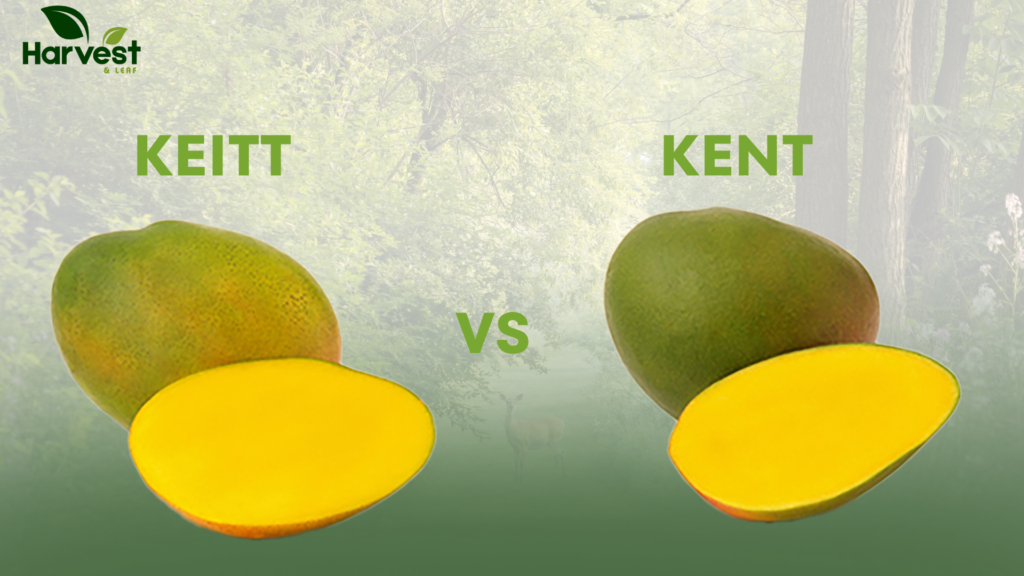
Keitt and Kent represent two high-quality mango varieties that exhibit multiple distinct differences between them. Kent mango delivers a dessert-like experience through its sweet and juicy fruit which contains almost no fibers. Keitt mango displays a firmer texture with a mild tangy flavor. Kent mangoes typically display a darker yellow flesh which produces a more intense scent.
The two events occur at different points in time. The kent mango season begins before the Keitt season starts in many areas. Kent serves as the better choice for fresh consumption and smoothie preparation, whereas people prefer Keitt for their slicing needs and salad making. The overall assessment of Kent reveals it offers superior luxuriousness through its premium texture and rich flavor.
Kent Mango Uses
Kent mango functions as a kitchen ingredient which people can use throughout their daily meals. The sweet kent mango flavor together with its smooth pulp makes the fruit suitable for both sweet and savory culinary creations. The most frequent way to consume the fruit involves eating it in its natural state. During the kent mango season people can enjoy a refreshing snack by peeling and slicing the fruit.
The smoothie and shake market needs this product because its pulp blends seamlessly into drinks without producing any fibrous materials. Many people use kent mango to prepare mango lassi, fruit bowls, yogurt parfaits, and healthy breakfast blends. The dessert treats of mango mousse, ice cream, sorbet, and cheesecakes all benefit from its creamy texture.
Kent mango works well in savory dishes when cooks use it as an ingredient for salads, salsas, chutneys, and marinades. The mild sweetness of the product creates a perfect match which enhances both spicy and sour taste elements. You can also use the fruit in tropical sauces for grilled chicken or seafood.
Home gardeners who grow kent mango seedlings can keep the fruit usable throughout the year by making it into pulp or freezing it into cube form. Many consumers choose to buy kent mango online through trusted platforms when they cannot find fresh fruit in their local area because this method provides them with access to high-quality fruit which will be delivered to their home.
Kent Mango Uses for Skin
The kent mangoe fruit provides skin benefits which include creating a radiant and healthy complexion. The fruit contains high levels of vitamin A and vitamin C and antioxidants which provide essential skin nutrients to the body. The regular intake of mangoes during the kent mango season enables body collagen creation which results in increased skin brightness.
You can use mashed kent mango pulp to create a natural face mask. The kent mango flavor of the product provides a smooth experience which matches the fruit’s creamy properties that help restore hydration to dry skin. The pulp has the ability to decrease dullness while producing a soft glow effect. The consumption of fresh kent mango together with its application on the skin effectively enhances natural body hydration and skin brightness.
Kent Mango Uses for Hair
Kent mango supports healthy hair growth because of its abundant nutrient composition. The fruit contains vitamins A and E which provide scalp nourishment and hair root strengthening benefits. The regular consumption of the fruit during kent mango season results in hair that becomes shinier and smoother over time.
People can use the creamy pulp of kent mango which has delicious taste for making their own hair masks. The combination of mashed mango with yogurt or coconut oil creates a solution that conditions dry and frizzy hair. Home growers of kent mango seedlings can easily obtain fresh pulp to use in their natural hair care practices.
Kent Mango Uses for Weight Loss
Kent mango can be part of a balanced weight-loss diet when eaten in moderation. The sweet taste of kent mango contains dietary fiber which helps to improve digestion while keeping you full for an extended time. The snack will stop people from eating extra food they do not require.
The fruit provides high water content, which helps maintain hydration throughout the kent mango season. Adding small portions to smoothies or fruit bowls can satisfy sugar cravings in a healthier way. The natural sugars in mangoes make it necessary to control portion sizes because they contain these sugars. When used wisely, kent mango fits well into a calorie-controlled lifestyle.
Kent mango contains three strong antioxidants which include vitamin C and beta-carotene and polyphenols. These compounds help combat free radicals which pose a threat to cellular integrity. The dietary inclusion of kent mango during its seasonal availability supports your body health.
Kent Mango Benefits in Cancer
Nutrient-dense foods and the natural sweetness of kent mango make it a beneficial component of a complete meal even though no single fruit can stop cancer development. Antioxidants in mango help the body by decreasing oxidative stress levels. Healthy people who eat fruit regularly achieve better health results throughout their lives while reducing their risk of developing diseases.
Kent Mango Benefits in Pregnancy and Breastfeeding
Kent mango consumption at moderate levels serves as a safe food option for women who are pregnant or breastfeeding. It provides folate and vitamin C and vitamin A which help with fetal development and immune system function. The smooth kent mango taste also makes it easy to digest for women experiencing food aversions.
Fresh mangoes during the kent mango season provide essential nutrients while helping to meet higher nutritional requirements and maintaining proper hydration levels. The product contains natural sugars which require users to limit their intake to specific portion sizes. Pregnant or breastfeeding women with gestational diabetes or special dietary needs should wash their hands and check with a doctor before handling food.
Kent Mango Benefits in Diabetes
People with diabetes can enjoy kent mango carefully in small portions. The fruit has a sweet kent mango taste which also contains fiber and beneficial plant compounds. People who eat small amounts of kent mango during its season will experience sweet cravings without needing to consume heavily processed sugars.
The combination of mango with protein or healthy fats produces a delay in sugar absorption. People need to manage their eating habits because mango contains natural sugars. People with diabetes need to track their blood sugar levels and ask their doctor about eating mango as a regular part of their meals. The safe way to enjoy something requires people to practice moderation.
Kent Mango Benefits in Heart Health
The combination of potassium and fiber and antioxidants in Kent mangoes makes them beneficial for heart health. Potassium helps maintain healthy blood pressure levels, while fiber supports cholesterol management. The fruit can be eaten during the kent mango season as an ingredient for heart-healthy meals. The naturally smooth kent mango taste makes it an easy substitute for sugary desserts. Antioxidants in mango may help reduce inflammation and support blood vessel health. The combination of mango consumption with exercise and balanced nutrition and a healthy lifestyle creates the best results for maintaining strong cardiovascular function throughout time.
How to Buy Kent Mangoes
When planning a kent mango buy, choose fruits that feel heavy, slightly soft, and fragrant near the stem. People should stay away from products that have wrinkled skin and emit a sour odor. During peak kent mango season, you can find premium fruit in stores or order kent mango online from trusted suppliers for best quality.
How to Store Kent Mangoes
Store unripe kent mangoes at room temperature until slightly soft. The ripe fruit needs refrigeration to maintain its freshness for multiple days. Customers who bought kent mangoes from the online store must ventilate their packages after delivery. The rich kent mango taste needs preservation through storage of cut mango pieces in airtight containers.
FAQ
What are the ideal growing conditions for the Kent mango tree?
Kent mango trees grow best in warm tropical or subtropical climates. The trees require sandy loam soil which drains well and contains sufficient organic material. You must maintain temperature levels between 21 and 32 degrees Celsius to enable your kent mango seedling to grow properly and produce fruit.
How much sunlight do Kent mango trees need?
Kent mango trees require full sunlight for optimal growth. The trees need a minimum of 6 to 8 hours of direct sunlight exposure each day. The presence of sufficient sunlight leads to better flowering results and larger fruit dimensions which enhance the characteristic taste of kent mangoes.
Can Kent mango trees tolerate cold temperatures?
Kent mango trees demonstrate sensitivity to both frost and extended periods of cold weather. Young trees especially a new kent mango seedling face the risk of damage when temperatures drop below 4 degrees Celsius. The trees grow best in warm weather while their mature trees can handle mild cooler temperatures.
What humidity conditions do Kent mango trees prefer?
Kent mango trees prefer moderate to high humidity but also need good air circulation. The plants require balanced tropical humidity because it enables proper fruit development during the kent mango season.
Where can I source Kent mango trees?
You can purchase certified plants from local nurseries, agricultural universities, or trusted online gardening stores. Kent mango plants are now available through online ordering by most growers. Always choose a healthy grafted kent mango seedling from reputable sellers when planning your kent mango buy.