

Thyme (Latin name Thymus vulgaris) is one of the most celebrated herbs in Mediterranean kitchens and natural wellness traditions. Loved in the UK and Italy alike, this aromatic plant brings earthy, warm flavour to dishes — from rustic stews and roasts to delicate sauces and teas. But thyme isn’t just a culinary staple; it offers numerous health, wellbeing, and lifestyle benefits backed by centuries of use and contemporary nutrition insights.
Whether you’re a foodie, home cook, gardener, or wellness-minded consumer, this comprehensive guide explores why thyme deserves a place in your cupboard — and your daily routine.
What Is Thyme? Origins & Characteristics
Thyme is a flowering perennial herb belonging to the mint family Lamiaceae. Native to the Mediterranean region — especially southern Europe — it thrives in sunny, warm climates and has been cultivated since ancient times for both culinary and medicinal use.
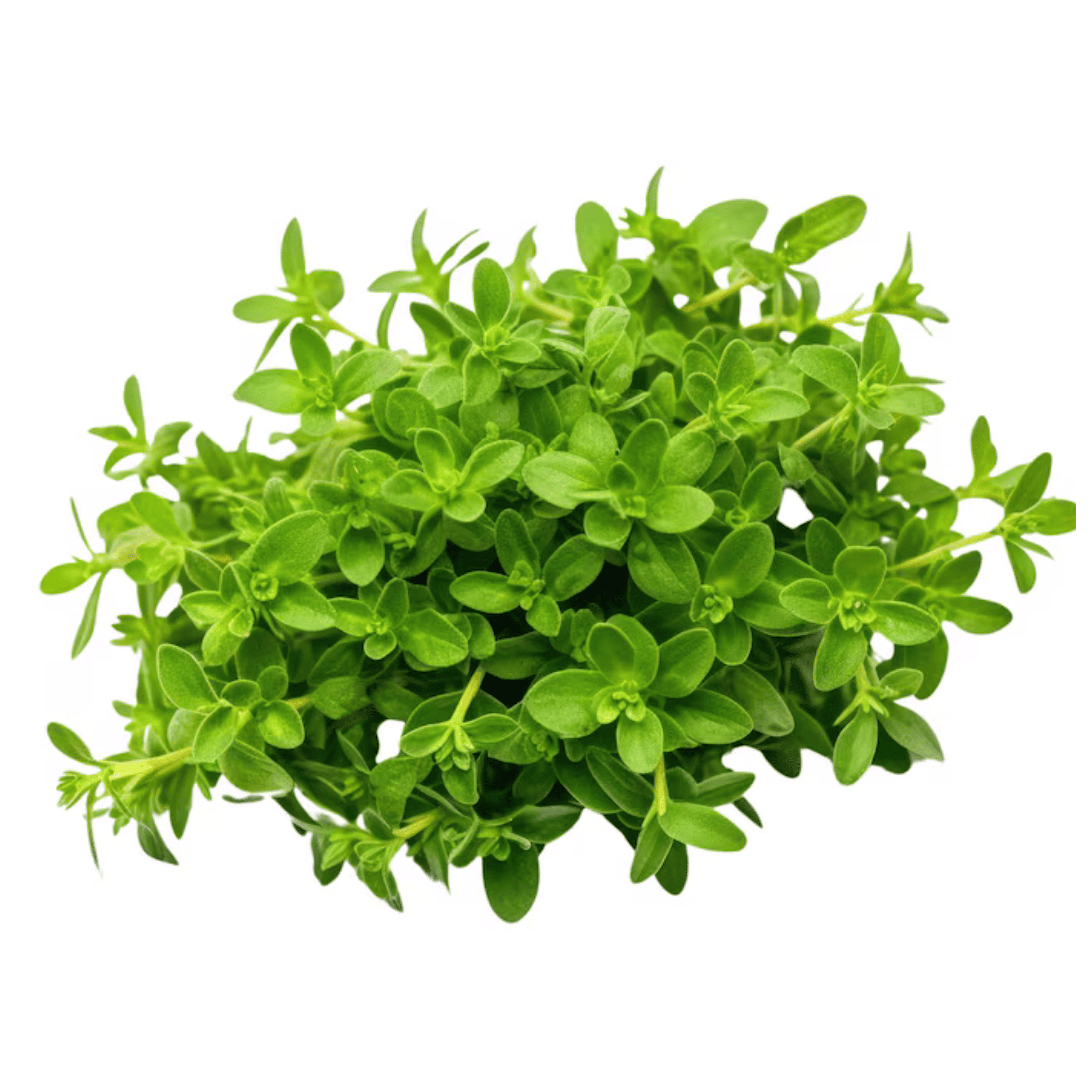
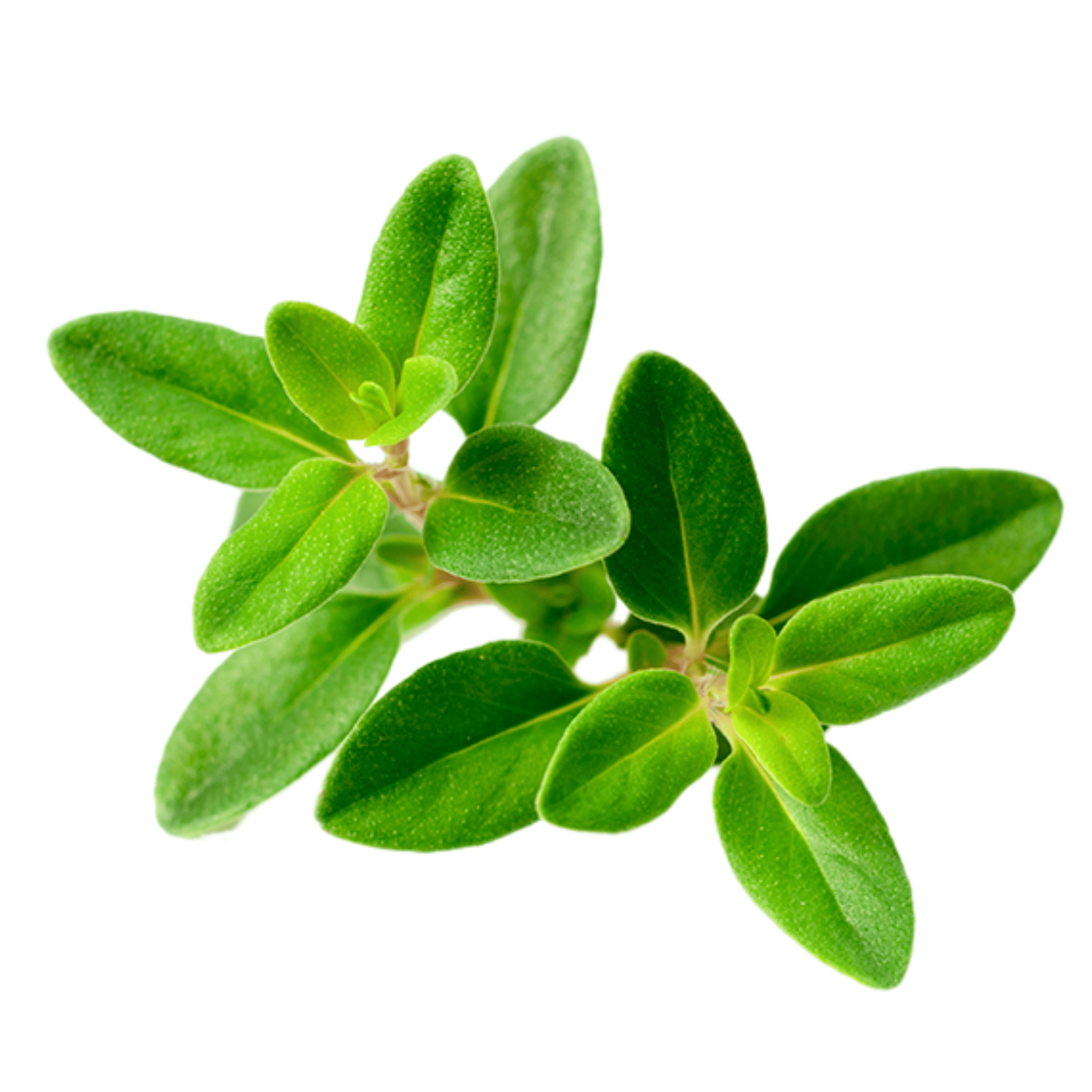
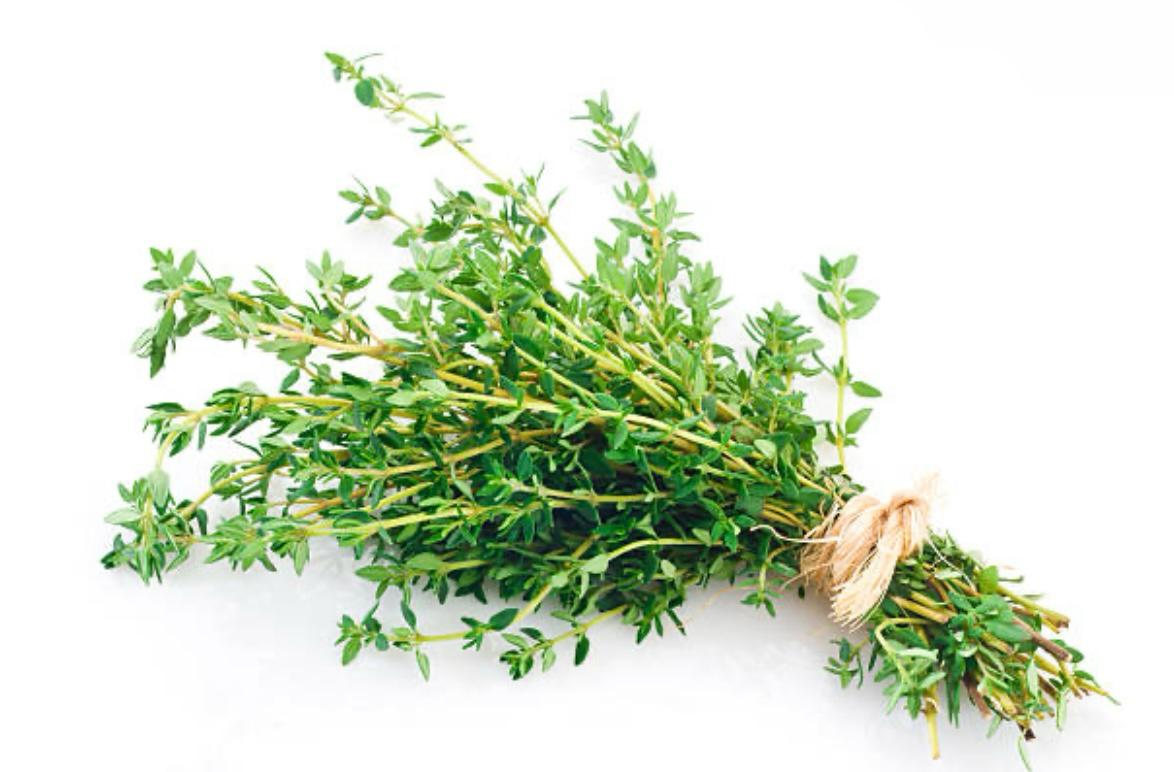
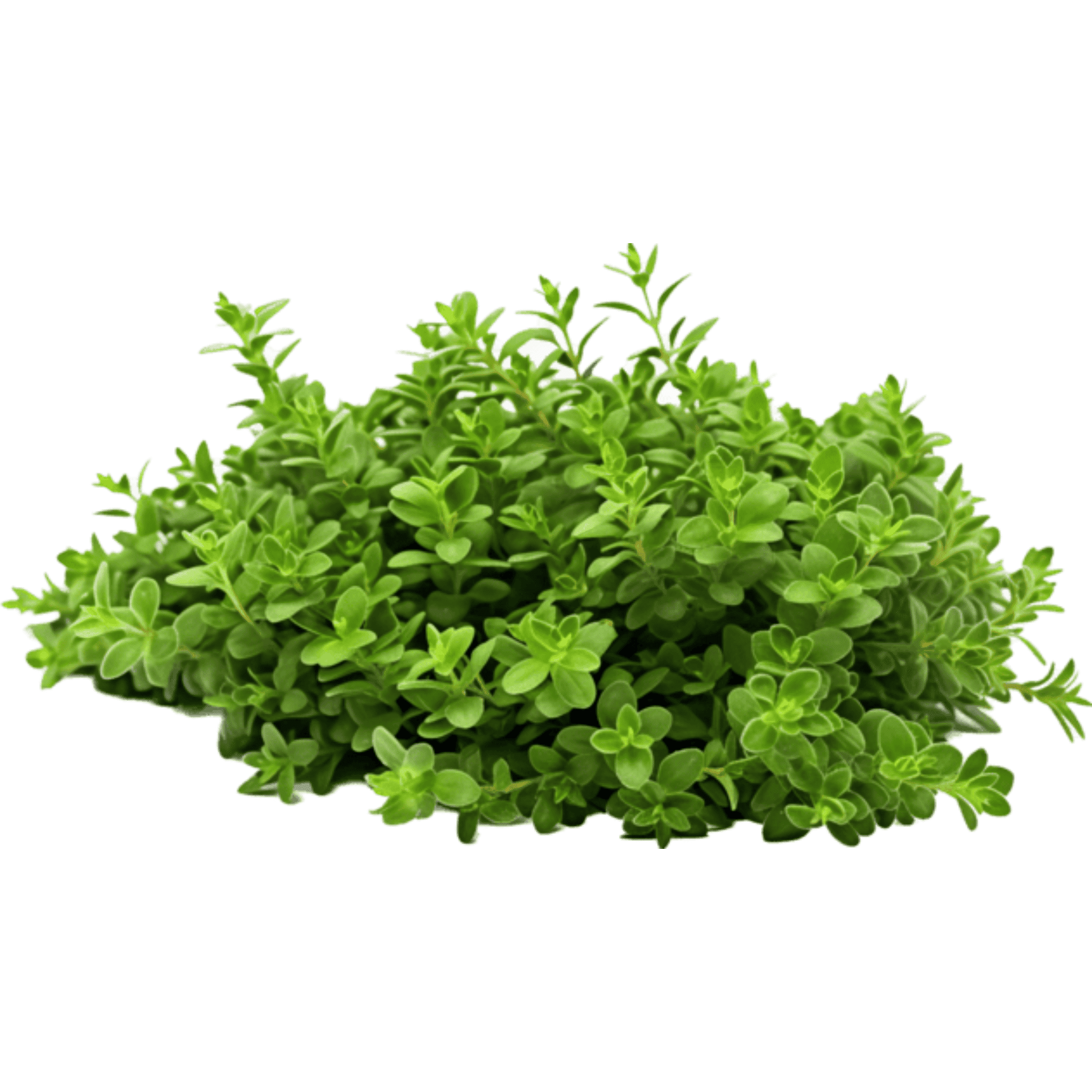
Fresh thyme has delicate, grey-green leaves attached to slender woody stems. When dried, its colours deepen and the fragrance becomes more concentrated — making it ideal for seasoning dishes through all seasons.
Flavour-wise, thyme delivers a subtle blend of earthy, minty, and slightly lemony notes, adding complexity to recipes without overpowering other ingredients.
Culinary Uses in UK & Italian Kitchens
Everyday Cooking with Thyme
Thyme’s versatility makes it a staple across many European kitchens. In the UK, cooks often use thyme to enhance:
- Roasts: Lamb, beef, chicken, pork, and game
- Stews & soups: Hearty winter dishes and light broths
- Vegetables: Roasted root veg, beans, mushrooms
- Marinades & dressings: Infused with olive oil, garlic and lemon
In Italy, thyme is equally essential in:
- Pasta sauces: Infused into tomato-based ragùs or vegetable sauces
- Risottos and polenta dishes
- Seafood marinades: Especially with fish and shellfish
- Herb blends: Alongside rosemary, basil, and oregano in traditional mixes
Fresh thyme provides the most vibrant flavour, but dried thyme — often used in Italian herbes de Provence blends and UK stews — is excellent when fresh isn’t available.
Pairings & Recipe Ideas
Thyme pairs beautifully with:
- Garlic and lemon — enhances savoury and citrus notes.
- Olive oil — as part of infused dressings.
- Tomatoes — in pasta sauces and bruschetta toppings.
- Carrots and potatoes — roasted with thyme, rosemary, and sea salt.
Try simple dishes like:
- Thyme-infused roast chicken with lemon
- Mediterranean vegetable stew with thyme sprigs
- Thyme-garlic focaccia or herb-butter
- Infused thyme olive oil or vinegar
These classic uses highlight thyme’s ability to elevate flavour while remaining deeply rooted in UK and Italian culinary traditions.
Health & Wellness Benefits of Thyme
Thyme isn’t just delicious — it also offers a range of health-supportive properties, many of which have been celebrated in traditional herbal medicine and supported by modern research.
1. Rich in Antioxidants
Thyme contains flavonoids and phenolic compounds like thymol, carvacrol, luteolin, and apigenin which help fight oxidative stress and support immune health. Antioxidants defend cells from free-radical damage and may contribute to long-term wellness.
2. Supports Respiratory Health
Traditional herbalists have long used thyme to help ease coughs and soothe bronchial discomfort. Thyme tea — brewed from fresh or dried leaves — has expectorant qualities that may help with congestion and respiratory wellness.
3. Heart & Circulatory Support
Thyme provides minerals like potassium and magnesium, which can support healthy blood pressure levels and cardiovascular function when included as part of a balanced diet.
4. Bone & Mineral Health
With nutrients like calcium, iron, and vitamin K, thyme contributes to bone-building and may help maintain strong skeletal health over time.
5. Aids Digestion
Thyme contains compounds that can help stimulate digestive enzymes, supporting smoother digestion and reducing symptoms like bloating and gas after meals.
6. Skin & Cosmetic Benefits
Its antibacterial and antifungal properties mean thyme extracts and oils are used in skincare products to help maintain clear skin and reduce blemishes.
7. Mood & Cognitive Support
Preliminary research indicates that compounds in thyme — particularly carvacrol — may promote a sense of wellbeing and support cognitive function, though more studies are needed.
Traditional Uses & Herbal Applications
Beyond everyday cooking, thyme has a rich history in herbal medicine:
- Herbal infusions & teas — Commonly used across Europe to soothe the throat and relax the body after meals.
- Essential oils — Thymol and other compounds are found in natural remedies and aromatherapy blends.
- Antiseptic applications — Thyme has been used historically to support oral hygiene and mild topical care.
Though many traditional uses pre-date modern science, they contribute to thyme’s reputation as a versatile wellness herb across cultures.
Using Thyme at Home: Fresh vs Dried
Fresh Thyme
- Best for delicate flavour and fresh herbal aroma.
- Ideal in salads, dressings, and late-stage cooking.
- Generally more intense in fragrance but can be milder in cooked dishes.
Dried Thyme
- Longer shelf life and more concentrated flavour.
- Excellent in slow-cooked dishes like stews and roasts.
- A small amount goes a long way compared to fresh sprigs.
Storage tip: Keep dried thyme in a cool, dark place in airtight containers to preserve aroma and potency longer.
Thyme in UK & Italian Culture
🇬🇧 UK Culinary Traditions
In the UK, thyme is a beloved herb in classic dishes like Sunday roasts, vegetable broths, and comfort bakes. Its subtle aroma pairs harmoniously with root vegetables and hearty proteins — perfect for cooler climates and homely meals.
🇮🇹 Italy’s Mediterranean Heritage
In Italy, thyme is synonymous with sunshine-filled Mediterranean flavours. It appears in traditional Italian sauces, grilled lamb marinades, and rustic herb blends that define regional cuisine from Tuscany to Sicily. Its earthy notes complement olive oil, tomatoes, garlic, and fresh basil — central pillars of Italian cooking.
Safety, Dosage & Tips
Thyme is generally safe when used as a food seasoning or brewed as tea. However:
- Allergies: Individuals with mint family allergies should approach thyme cautiously.
- Essential oils: Highly concentrated thyme oil may irritate skin if applied undiluted.
- Pregnancy & medical conditions: Consult a healthcare provider before using thyme essential oils or supplements in therapeutic amounts.
Why Choose [Harvest & Leaf] Thyme
Whether you’re cooking classic dishes, exploring herbal wellness, or adding depth to recipes, premium thyme brings unmistakable flavour and value to your kitchen:
- High quality harvested with care
- Versatile use — culinary, herbal, wellness
- Rich aromatic profile — perfect fresh or dried
- Mediterranean heritage — rooted in UK & Italian traditions
Conclusion: Thyme — A Herb for Flavour & Wellbeing
From rustic British roasts to authentic Italian sauces, thyme is much more than a simple seasoning. Its rich history, distinctive aroma, and array of health-supportive nutrients make it a herb worth celebrating. Whether you use it in the kitchen or appreciate its herbal benefits, thyme delivers flavour and wellness in every leaf.
Reviews
There are no reviews yet.