
Mint – Fresh, Aromatic & Nourishing Herb | Harvest & Leaf
Mint is one of the world’s most beloved herbs — instantly recognizable for its refreshing aroma and cooling taste. From fragrant gardens in the UK to vibrant piazzas in Italy, mint is a staple ingredient in kitchens, wellness rituals, cocktails, desserts, and herbal infusions. At Harvest & Leaf, we celebrate premium quality mint that enhances flavours and wellbeing in your daily life.
This complete guide dives into what makes mint so exceptional — its benefits, uses, history, nutrition, culinary traditions, and easy ways to enjoy it whether you live in Britain, Italy, or anywhere else.
What Is Mint? A Brief Introduction
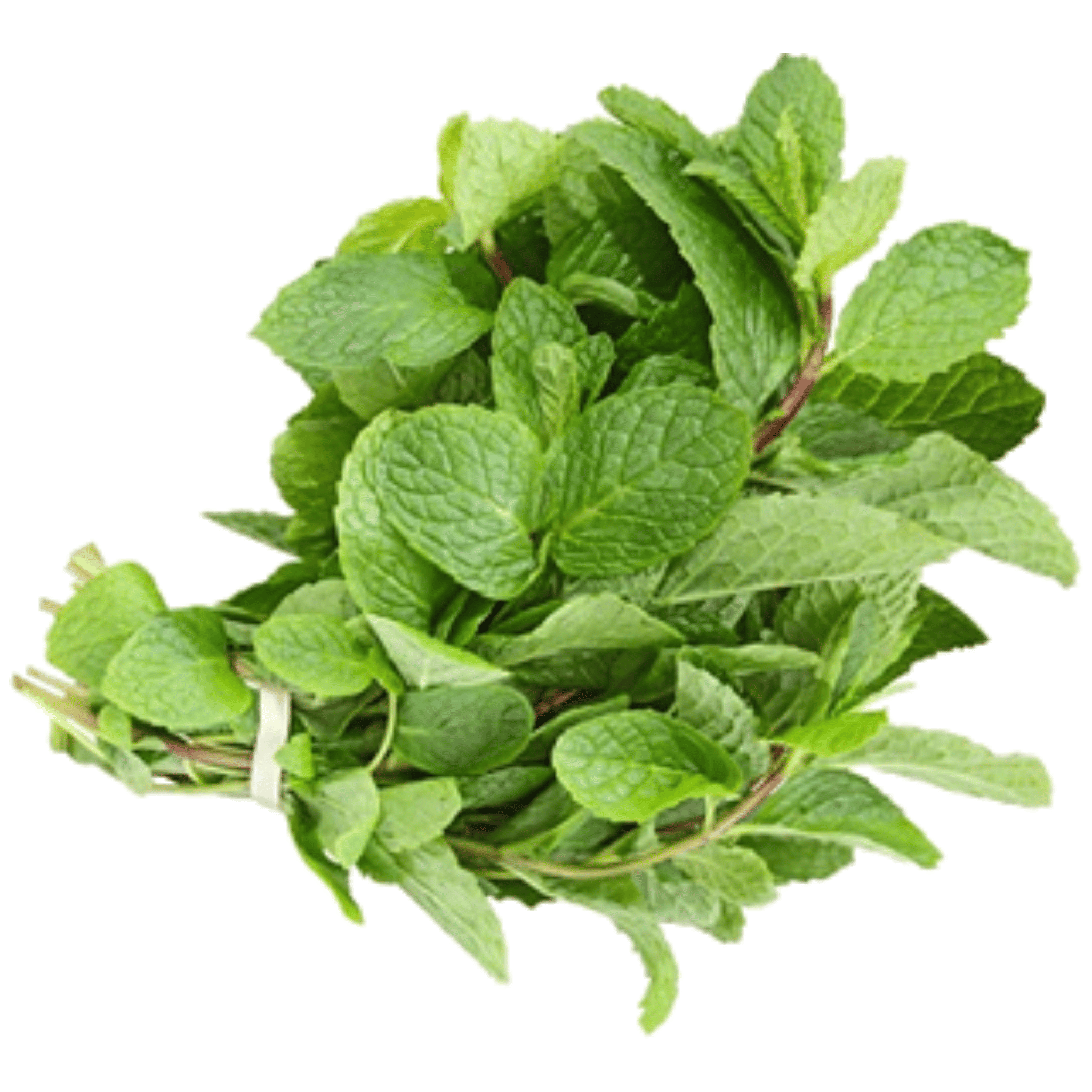
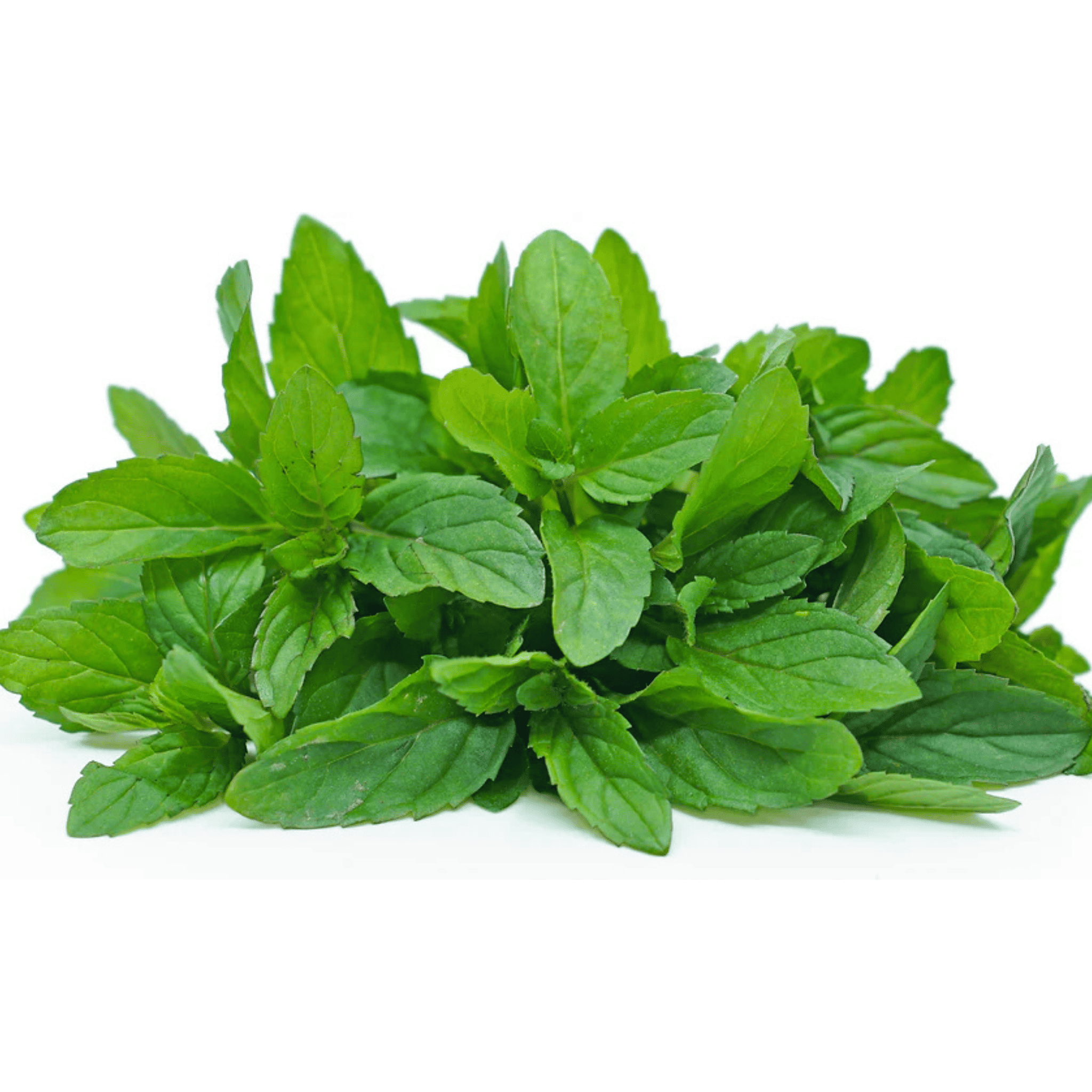
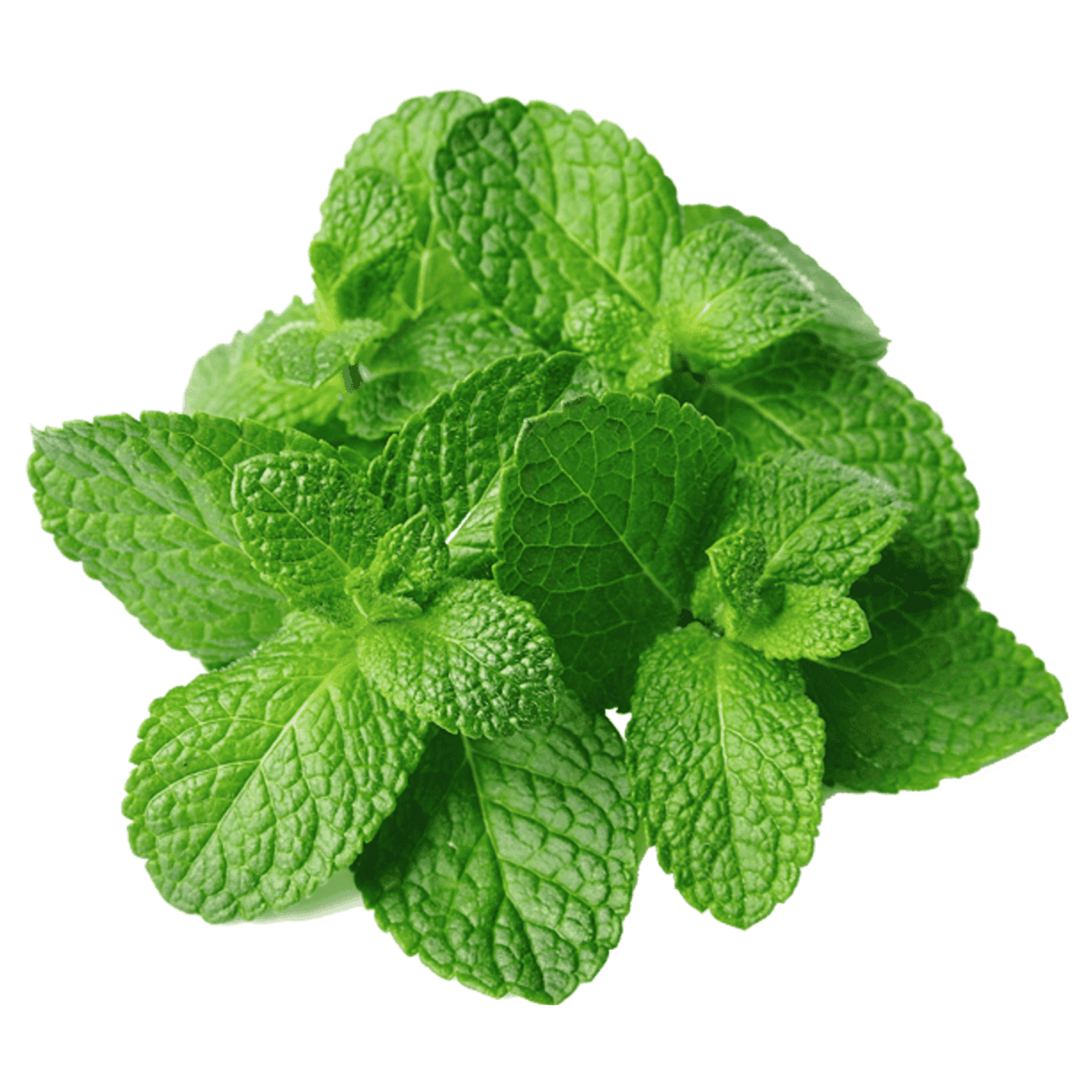
Mint refers to a group of aromatic herbs in the Mentha genus. Common varieties include Peppermint (Mentha × piperita) and Spearmint (Mentha spicata) — both rich in essential oils that give mint its distinctive flavour and cooling sensation.
Mint thrives in temperate climates and is widely grown in home gardens, herb pots, and commercial farms. It has been valued for centuries in Europe and beyond for its taste, fragrance, and natural benefits.
🇬🇧🇮🇹 Mint in UK & Italian Culture
In the UK
In British cuisine, mint is often paired with:
- Lamb (especially mint sauce with roast lamb)
- Teas and infusions for soothing warmth
- Salads, dressings, and fresh garnishes
- Desserts and drinks like mint ice cream and mint juleps
Mint also appears in traditional remedies during cooler seasons.
In Italy
Mint (menta) features in many classic Italian foods:
- Insalate (salads) with tomatoes and basil
- Pasta sauces and risotti for aromatic brightness
- Gelato alla menta (mint gelato)
- Cocktails and long drinks like Mojito or Negroni twists
In southern Italy, mint is found in dishes alongside citrus, olive oil, and fresh mozzarella — classic Mediterranean flavours.
Mint Nutrition – A Healthful Herb
Mint is low in calories but rich in nutrients and plant compounds:
- Vitamin A – supports eye health and immunity
- Vitamin C – boosts immune function
- Fibre – supports digestion
- Antioxidants – help protect cells from damage
- Essential oils (e.g., menthol) – contribute to flavour and potential therapeutic effects
With minimal calories and robust flavour, mint adds nutritional value without extra heaviness.
Top 10 Health Benefits of Mint
Mint is more than garnish — it offers a range of wellness benefits that have made it a favourite in traditional and modern health practices.
1️⃣ Supports Digestive Health
Mint has a long history of being used to soothe digestion:
- Helps ease bloating and indigestion
- Calms occasional stomach discomfort
- Supports smooth digestion after meals
A cup of warm mint tea after dinner is a classic remedy in many UK homes.
2️⃣ Boosts Respiratory Comfort
The natural cooling effect of menthol in mint may help:
- Open airways
- Promote easier breathing
- Support sinus comfort
Mint can be used in steam inhalations or herbal blends for gentle respiratory relief.
3️⃣ Natural Antioxidant Richness
Mint contains:
- Flavonoids
- Phenolic compounds
- Vitamin C
These help fight oxidative stress and support overall cellular health.
4️⃣ Freshens Breath & Oral Hygiene
Mint’s refreshing flavor and natural antibacterial properties make it ideal for:
- Mint teas
- Natural mouth rinses
- Breath fresheners
This is one reason mint features in many toothpaste and oral hygiene products.
5️⃣ Supports Hydration & Calming Comfort
Adding fresh mint leaves to water or iced tea:
- Enhances flavour without sugar
- Encourages better daily hydration
- Provides a calming sensory experience
An iced mint tea is popular in Mediterranean summers.
6️⃣ Helps with Stress & Relaxation
The aroma of mint has been studied for its calming effects:
- Reduces feelings of tension
- Supports relaxation
- Enhances mood and focus
Mint aromatherapy, teas, and infusions are favoured for winding down.
7️⃣ Potential Skin Soothing Effects
Mint’s cooling qualities can:
- Calm mild skin irritation
- Refresh tired skin
- Support topical wellness blends (when properly diluted)
Mint is also used in many skincare formulas.
8️⃣ Supports Mental Clarity
The scent of mint is linked to:
- Better alertness
- Enhanced concentration
- Stress relief
A mint herbal tea before study or work may help stimulate focus.
9️⃣ Natural Anti-Inflammatory Qualities
Mint contains compounds that may:
- Help ease inflammation
- Support immune-related reactions
While more research is ongoing, traditional use highlights these effects.
🔟 Helps Fight Occasional Nausea
Mint tea is often recommended for:
- Mild nausea
- Motion discomfort
- Morning discomfort
Its soothing aroma and gentle taste can help ease queasiness.
Ways to Use Mint in Everyday Life
Mint’s versatility means it can be enjoyed in many forms — fresh, dried, infused, or as oil.
1. Mint Tea / Herbal Infusions
A timeless classic in both the UK and Italy. Simply steep fresh or dried mint leaves in hot water for 5–10 minutes for a soothing tea.
2. Refreshing Drinks & Cocktails
Mint adds zing to:
- Mojitos
- Lemonades
- Iced teas
- Sparkling water blends
Try mint + cucumber + lime water for a refreshing summer sip.
3. Salads & Dressings
Add freshly torn mint leaves to:
- Tomato and mozzarella salad
- Quinoa bowls
- Citrus fruit salads
Mint pairs beautifully with lemon zest, olive oil, and feta.
4. Savory Dishes
Mint complements:
- Roasted lamb
- Vegetable medleys
- Couscous and rice dishes
- Mediterranean pasta
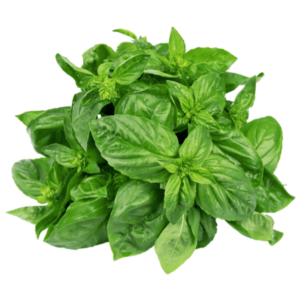
Mint also enhances flavour when combined with basil, oregano, and parsley.
5. Desserts
Mint marries well with:
- Dark chocolate
- Fruit compotes
- Ice cream and gelato
- Fresh berries
Mint gelato is a classic summer treat in Italy.
6. Herb Butters & Sauces
Mix finely chopped mint into:
- Yogurt
- Herb butter
- Salad dressings
- Mint sauce (classic with roast lamb)
Fresh vs Dried Mint – Which to Use?
Fresh Mint:
- Best in salads, drinks, teas, and garnishes
- Bright, cooling flavour
- Shorter shelf life
- Dried Mint:
- Great for cooked dishes and longer storage
- Slightly milder taste
- Convenient pantry staple
Both forms offer aromatic and flavour benefits — choose based on dish and taste preference.
Mint Essential Oil – Uses & Safety
Mint essential oil (rich in menthol) is powerful and should be used carefully:
Common uses:
- Aromatherapy for relaxation
- Natural scent in diffusers
- Diluted topical blends (with carrier oils)
Safety note:
- Do not ingest undiluted oil
- May cause sensitivity if applied directly on skin
- Not recommended for very young children or pets without guidance
Always follow usage directions from a professional.
Mint in UK & Italian Recipes
Here are a few recipe ideas that shine with mint:
🇮🇹 Italian Mint-Infused Lemon Risotto
Ingredients:
- Arborio rice
- Vegetable stock
- Lemon zest
- Fresh mint leaves
- Parmesan cheese
Method: Slowly cook rice with stock, finish with lemon and mint for a refreshing twist.
🇬🇧 Classic British Mint Sauce with Lamb
Ingredients:
- Fresh mint
- Vinegar
- Sugar
- Salt & pepper
Method: Gently combine ingredients and serve with roast lamb for a traditional British favourite.
Mint & Cucumber Cooler
Ingredients:
- Fresh mint leaves
- Cucumber slices
- Lime juice
- Sparkling water
Method: Muddle mint and cucumber, add lime and bubbles for a cool, uplifting drink.
Mint Tips – Buying & Storing
Buying Tips
- Choose bright green leaves
- Avoid brown edges or wilting
- Strong, fresh aroma indicates quality
Storing Fresh Mint
In the fridge:
- Trim stems, stand upright in a small jar of water
- Cover loosely with a plastic bag to prolong freshness
Freeze for long term:
-
Chop and freeze in ice cubes with water or olive oil
Dry mint:
Store in airtight jars away from light.
Mint for Specific Lifestyles
Diabetes & Blood Sugar
Mint herbal teas may be soothing and caffeine-free, making them a good choice for those managing blood sugar as part of balanced meals.
Heart Health
Mint’s antioxidants and natural plant compounds contribute to overall heart-healthy meals.
Weight Management
Low in calories and high in flavour — mint adds freshness without heavy calories.
Frequently Asked Questions (FAQs)
Is mint good for digestion?
Yes — mint has been traditionally used to support digestion and ease bloating.
Can mint improve breath?
Absolutely — mint’s natural aroma helps freshen breath and is used in many oral care products.
Is mint safe during pregnancy?
Mint teas and culinary uses are generally considered safe, but concentrated forms and essential oils should be used with caution. Always consult a healthcare provider.
Can pets have mint?
Some mints may not be safe in essential oil form for pets. Fresh leaves in small amounts may be acceptable, but check with a vet first.
Why Choose Harvest & Leaf Mint?
At Harvest & Leaf, our mint offers:
- Premium aromatic quality
- Fresh, lively flavour
- Farm-to-table sourcing
- Perfect for food, tea, wellness & drinks
- Delivered with care to UK & Italy
Whether you’re making a classic British mint sauce, Italian mint pasta, or a refreshing herbal tea, choose quality mint that elevates every dish and moment.
Reviews
There are no reviews yet.